The Long Dry Season: June to September
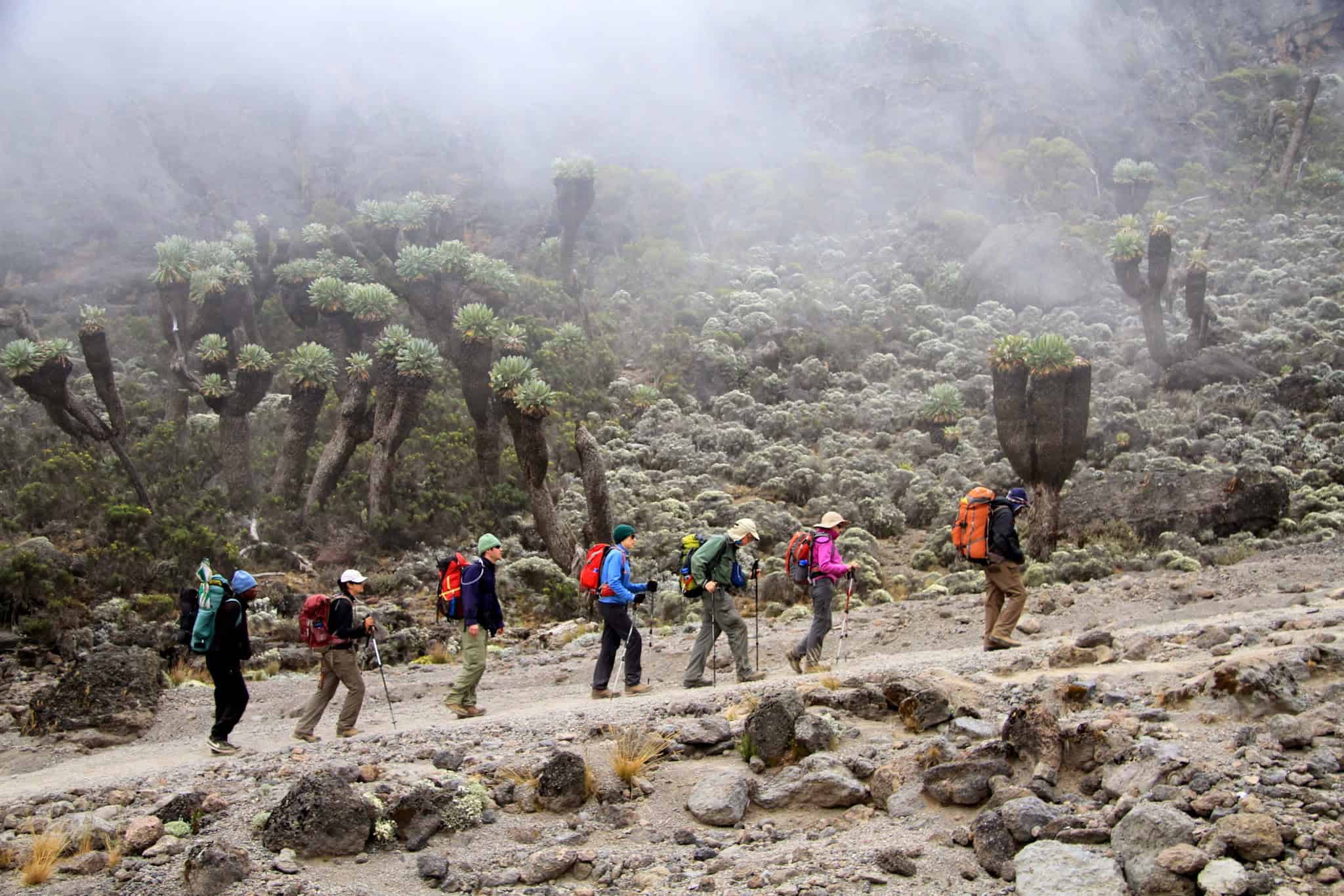
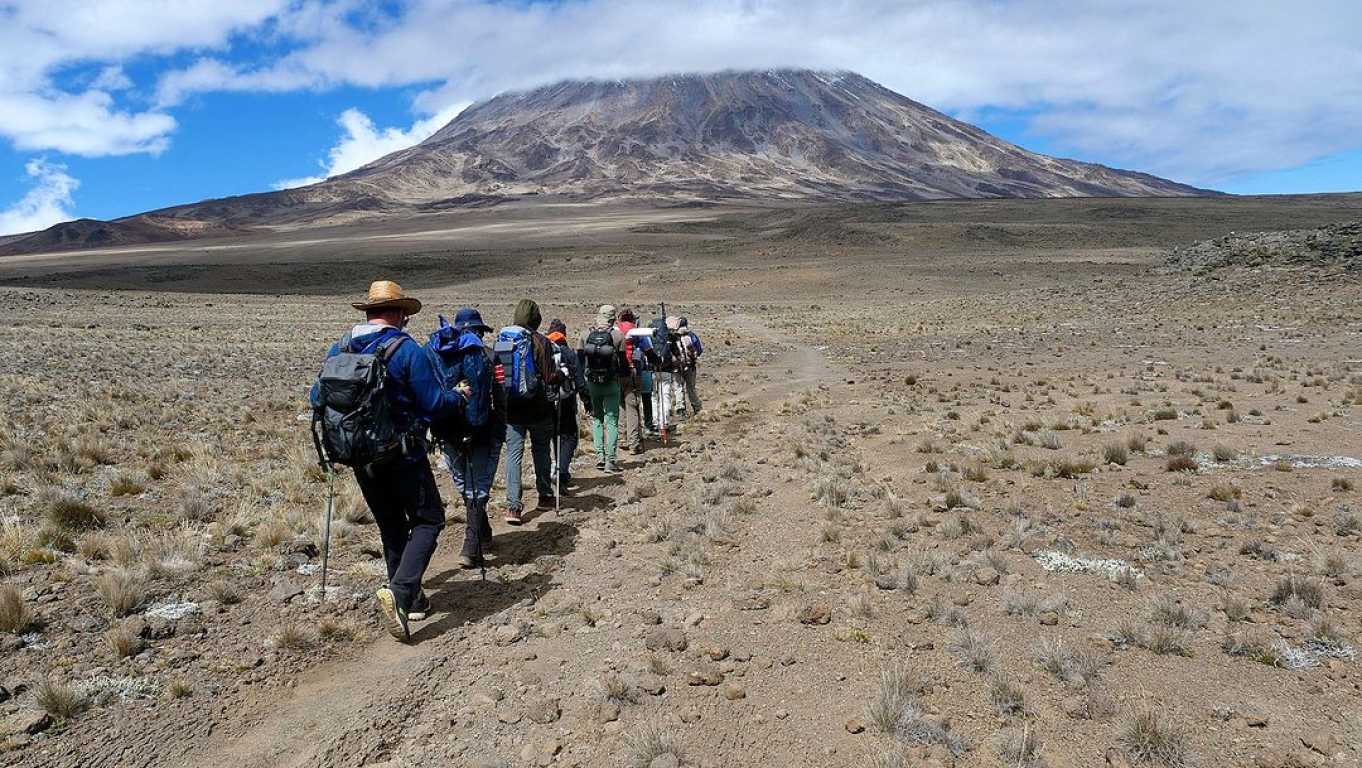
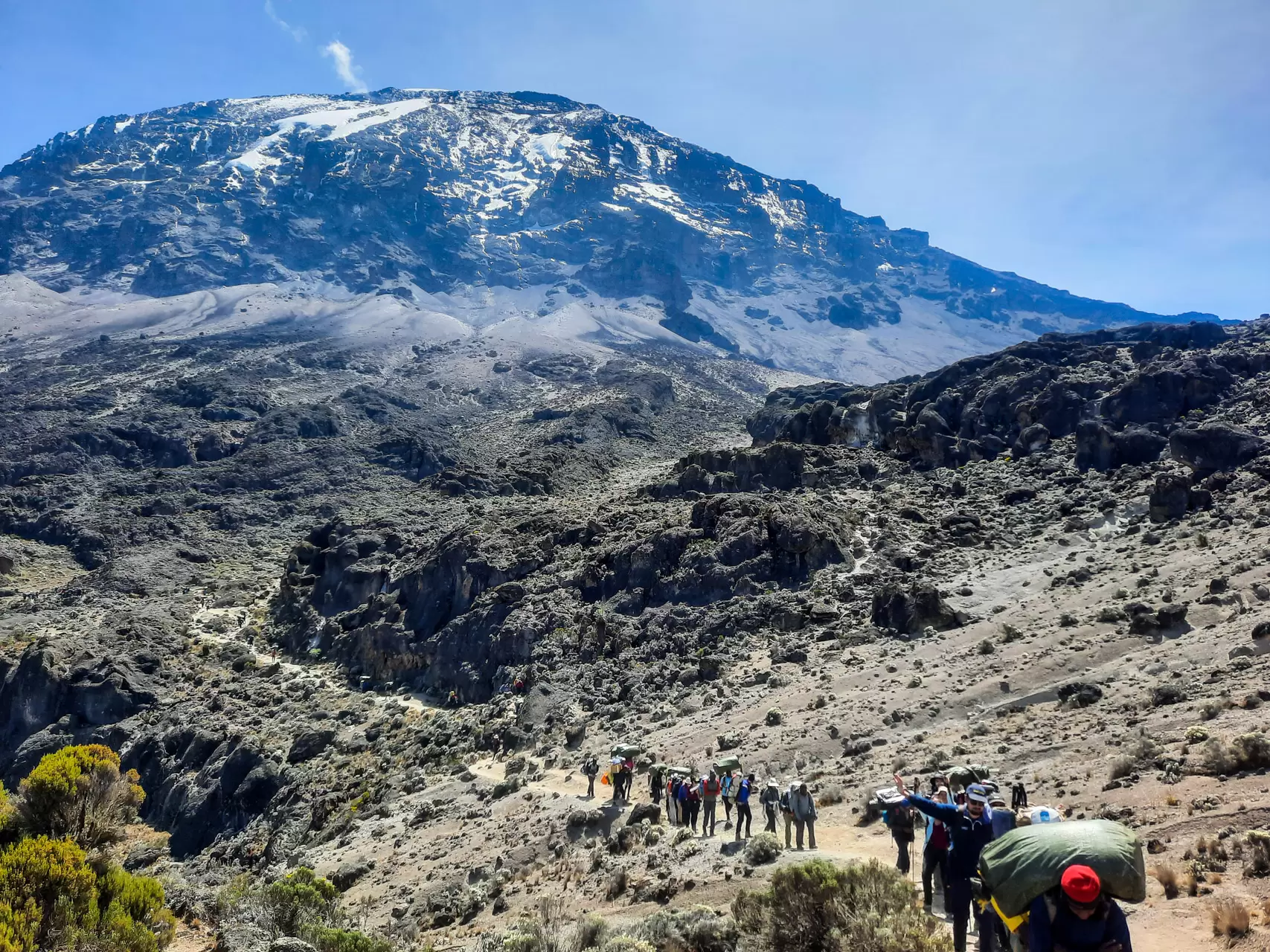
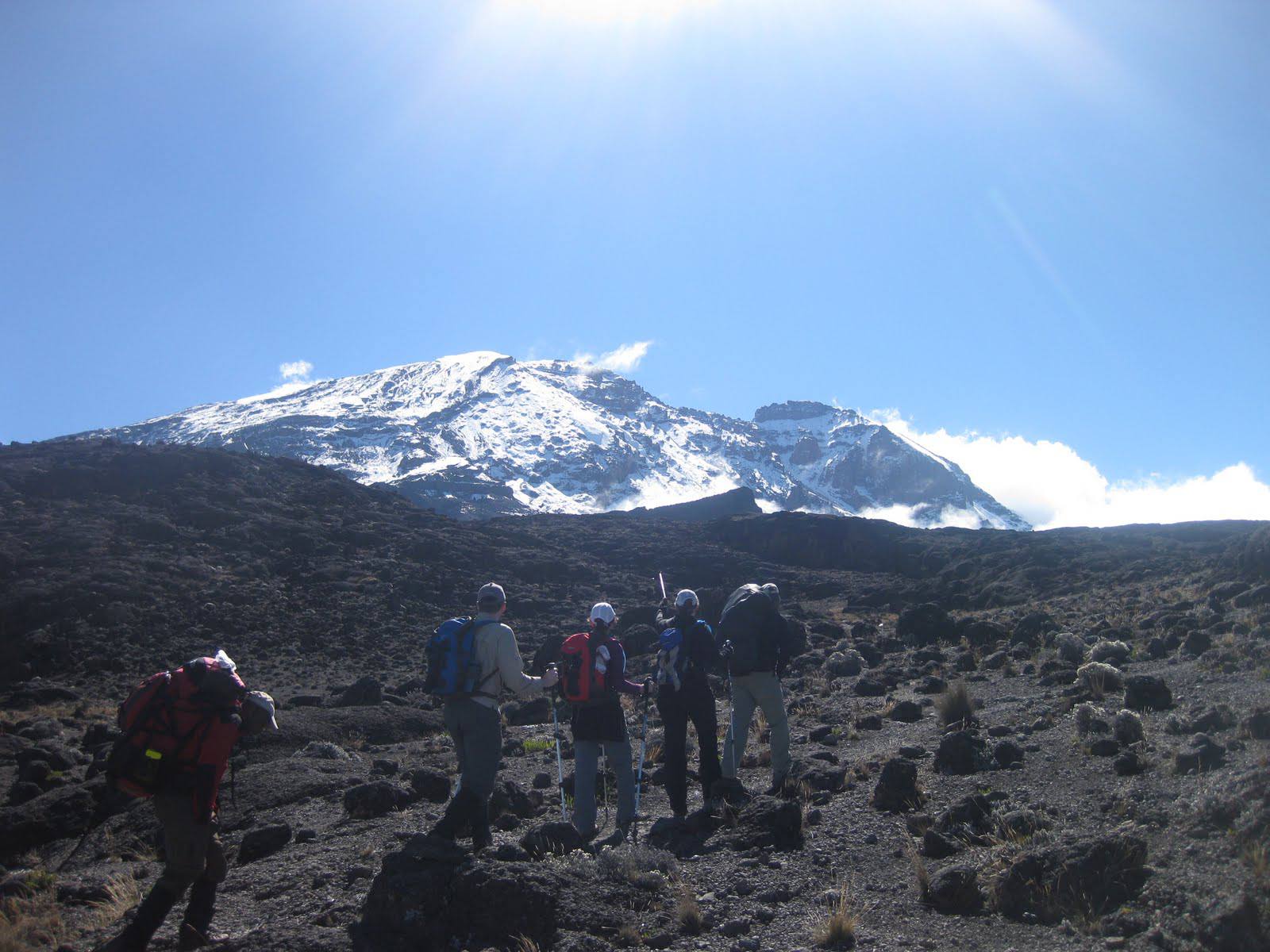
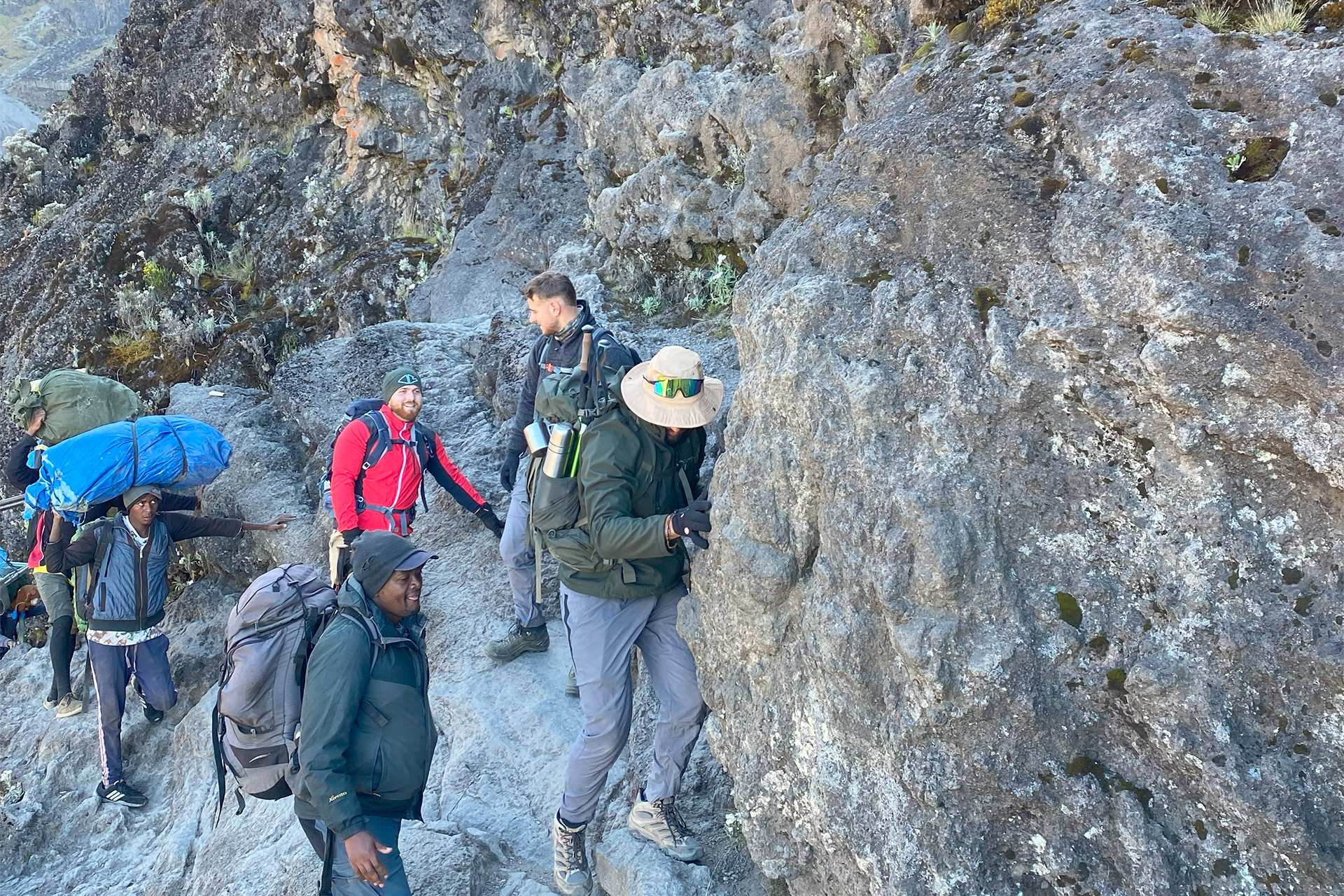
The long dry season, stretching from June to September, is one of the best periods to attempt a Kilimanjaro climb. During this time, temperatures are cooler compared to the short dry season (January and February), but the overall weather conditions are highly favorable. Precipitation is scarce, ensuring clear trails and an unobstructed trek. The crisp, dry air makes for easier ascents, with fewer chances of rain or cloud cover hindering the breathtaking views. Though the nights can be chilly, especially at higher altitudes, the pleasant daytime conditions make this a prime time for climbers looking for a smooth and scenic journey.
The Short Wet Season: October to December
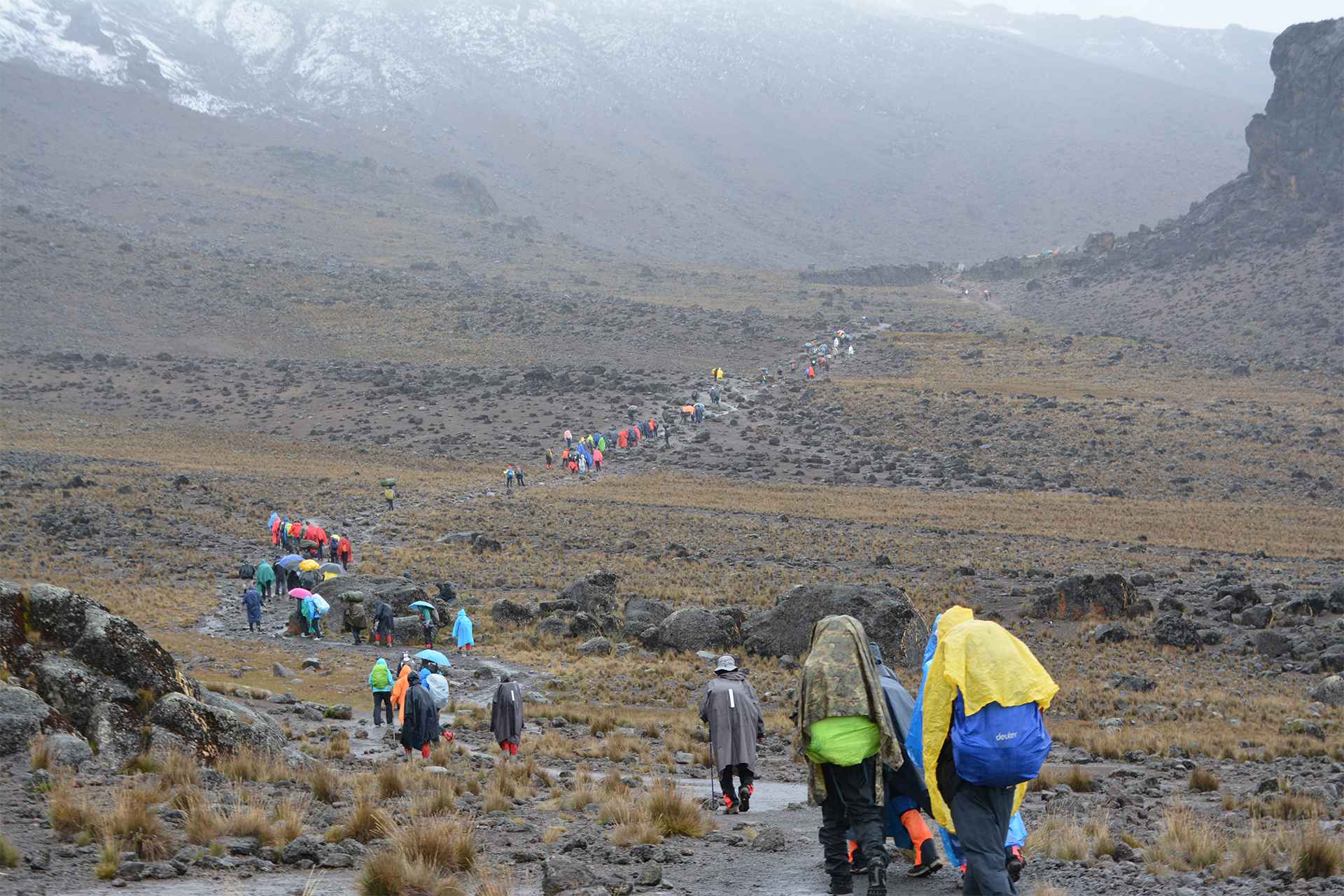
Between October and December, Kilimanjaro experiences its short rainy season. The timing of these rains is more erratic compared to the long wet season, with rain frequency gradually increasing as the season progresses. While temperatures remain relatively warm—around 76°F (24.4°C)—climbers should expect partly cloudy skies and occasional downpours. Due to the unpredictability of the weather, we do not recommend climbing Kilimanjaro once the rains have fully set in. The wet conditions can make the trails slippery and treacherous, reducing the overall enjoyment and safety of the climb.
The Short Dry Season: January to February
From January through February, Kilimanjaro enters its short dry season. This period is highly popular among trekkers, particularly in late January and throughout February when temperatures are warmer than those found between June and October. While the weather during this time can vary from year to year, the generally mild and dry conditions make for a comfortable climb. The clearer skies and warmer days offer ideal conditions for those seeking a mid-winter adventure on the mountain.
The Long Wet Season: March to May
The long rainy season begins in late March, as the trade winds from the Indian Ocean collide with Kilimanjaro’s massive slopes. The resulting downpours can be heavy, lasting through to May, which makes this period less ideal for climbing. The trails become wet, muddy, and difficult to navigate, and the risk of dangerous conditions increases. Due to the intensity of the rains and the challenging environment, we do not schedule climbs during this season, prioritizing the safety and experience of trekkers.
Kilimanjaro Weather at the Summit
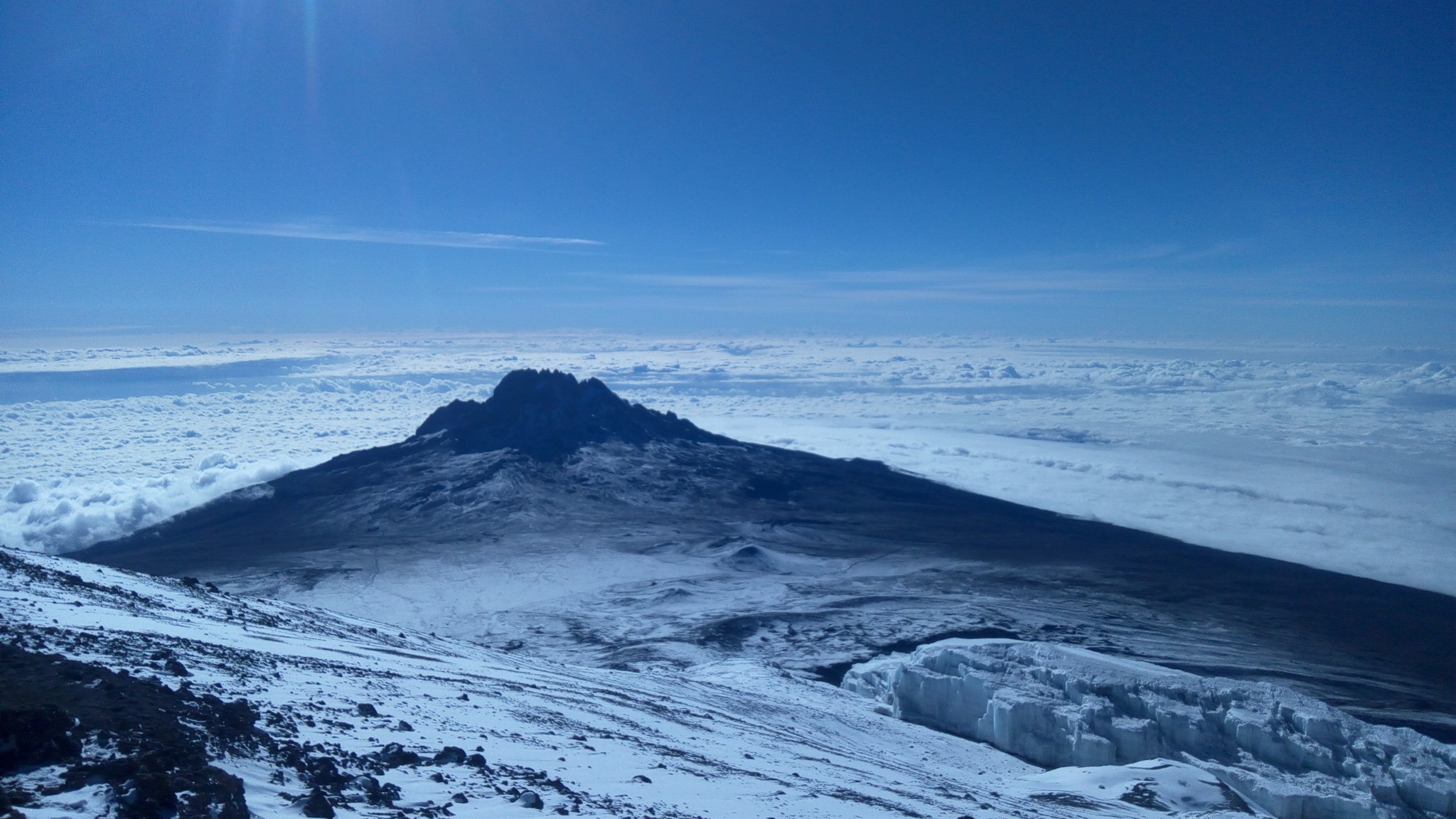
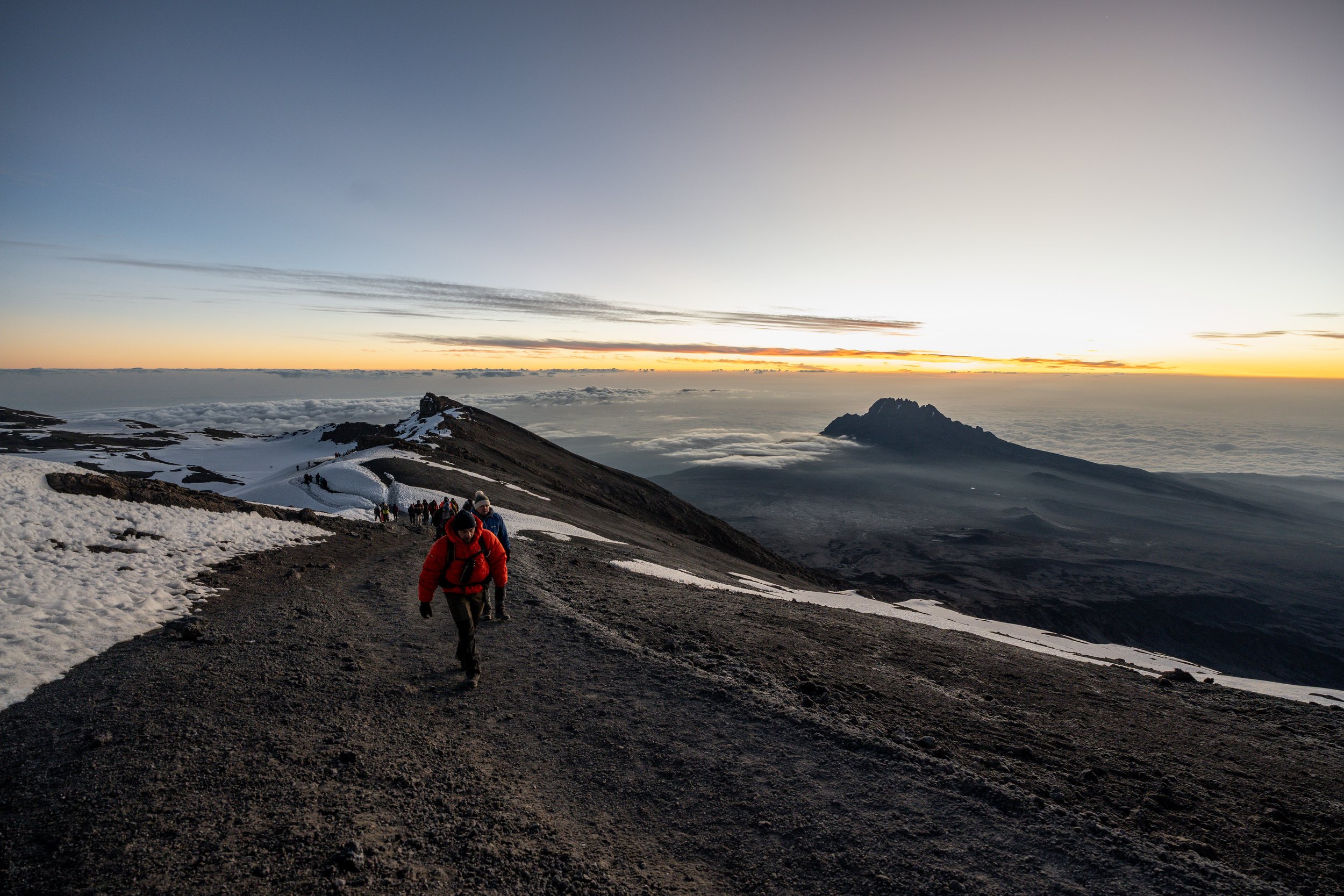
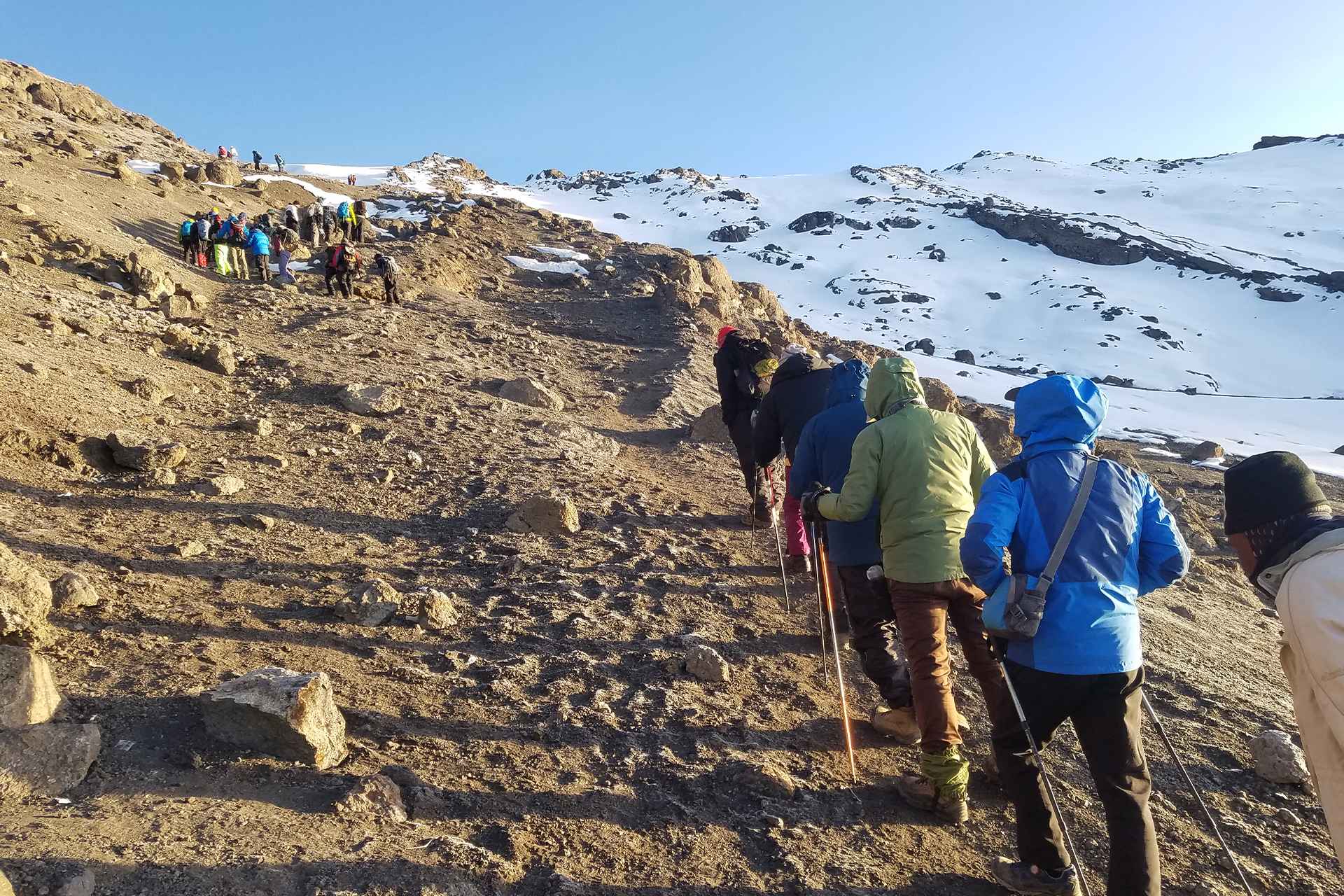
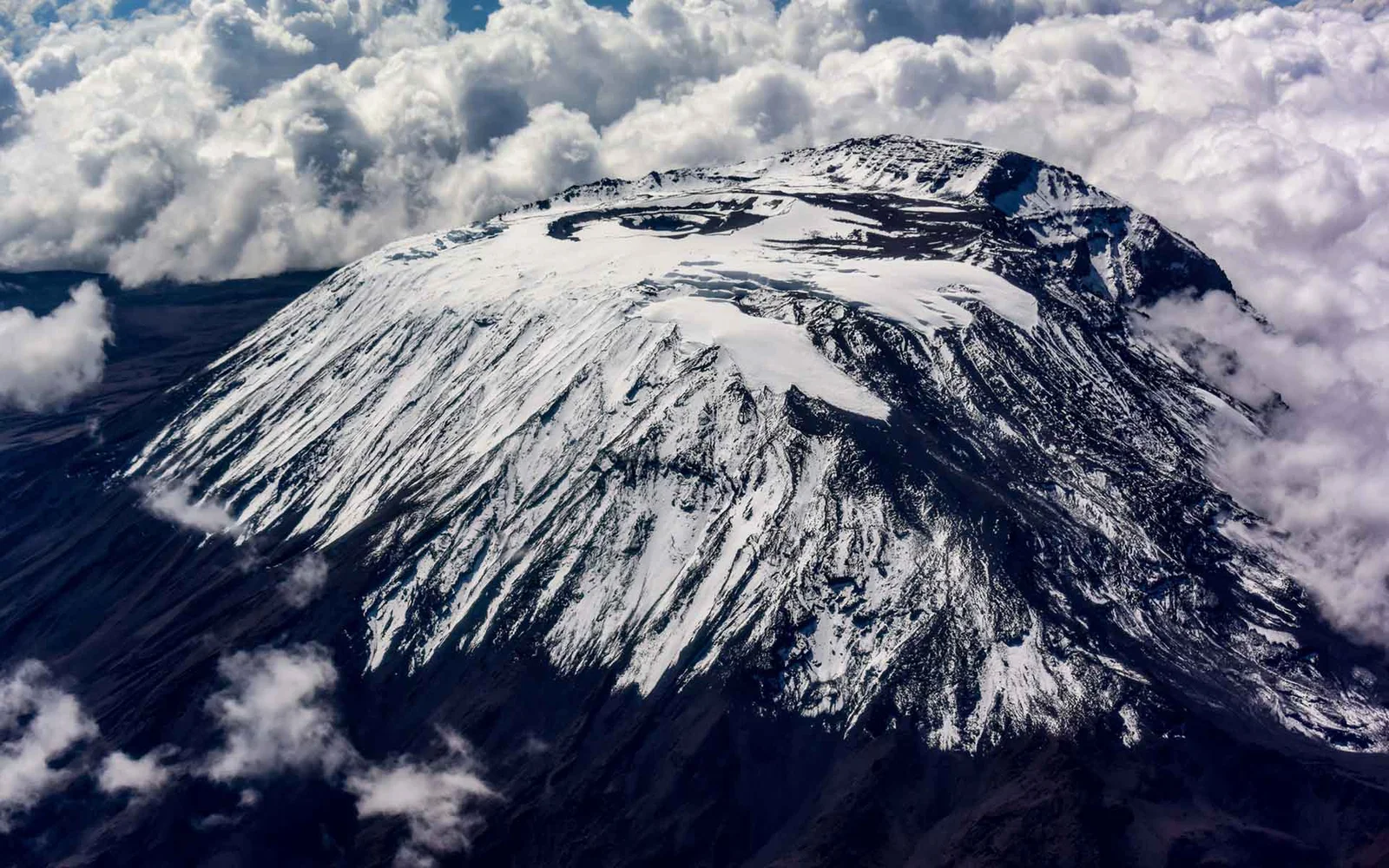
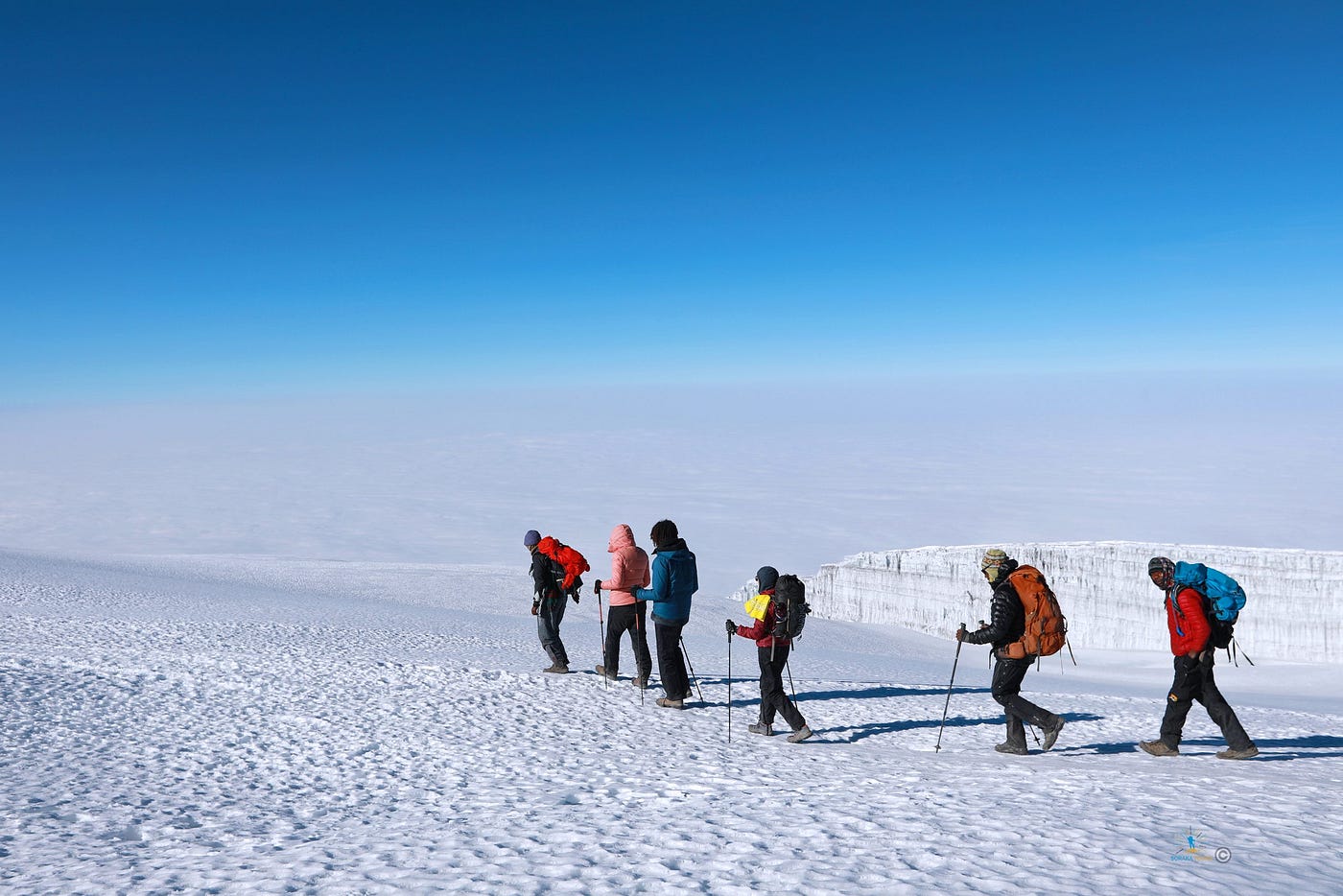
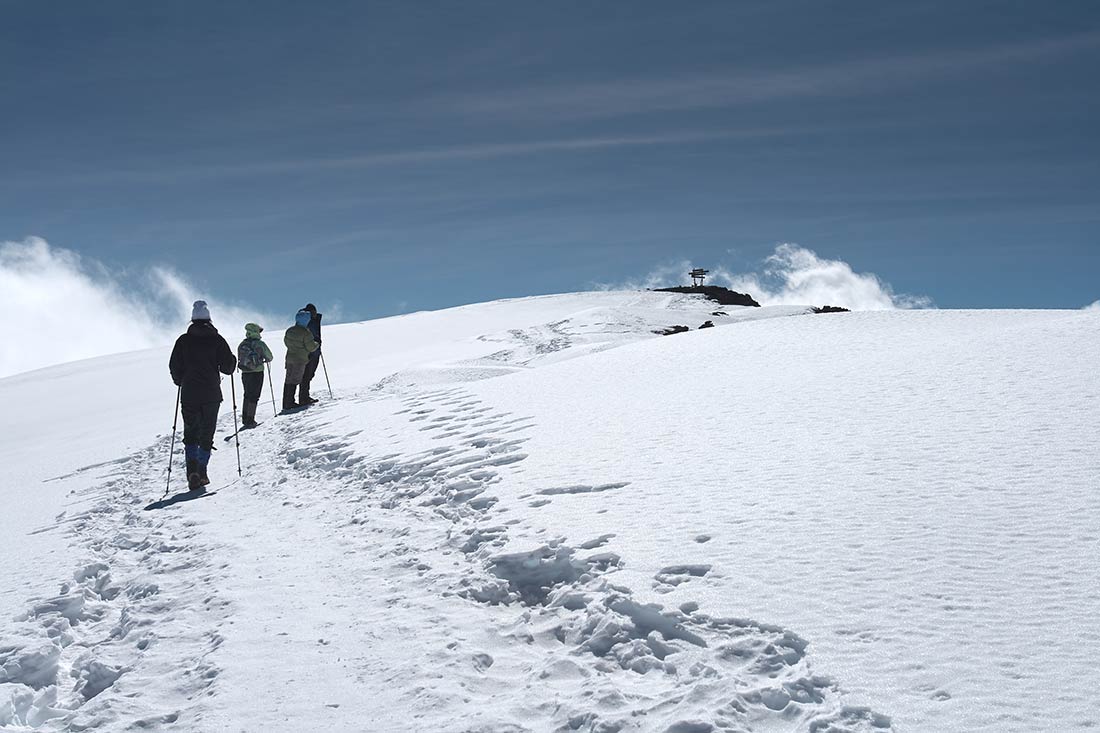
Summit night is a significant part of the Kilimanjaro experience. Most climbers begin their final ascent around midnight in frigid conditions, often encountering snow or ice on the trail. The goal is to reach Uhuru Peak at sunrise, when the skies are typically clear, providing sweeping views of Mawenzi and the vast African plains below. Night-time temperatures at the summit can drop dramatically, ranging between 20°F and -20°F (-7°C to -29°C). The extreme elevation of Mount Kilimanjaro causes the mountain to generate its own weather patterns, making the summit a uniquely challenging yet awe-inspiring environment.