Ngorongoro Crater Day Trip

Nothern Tanzania

From

$ 520

Duration

1 day

Tour Type

4.67 by 3 reviews
  • Quality4.67
  • Location4.67
  • Amenities4.67
  • Services5
  • Price4.33

Tour Highlight

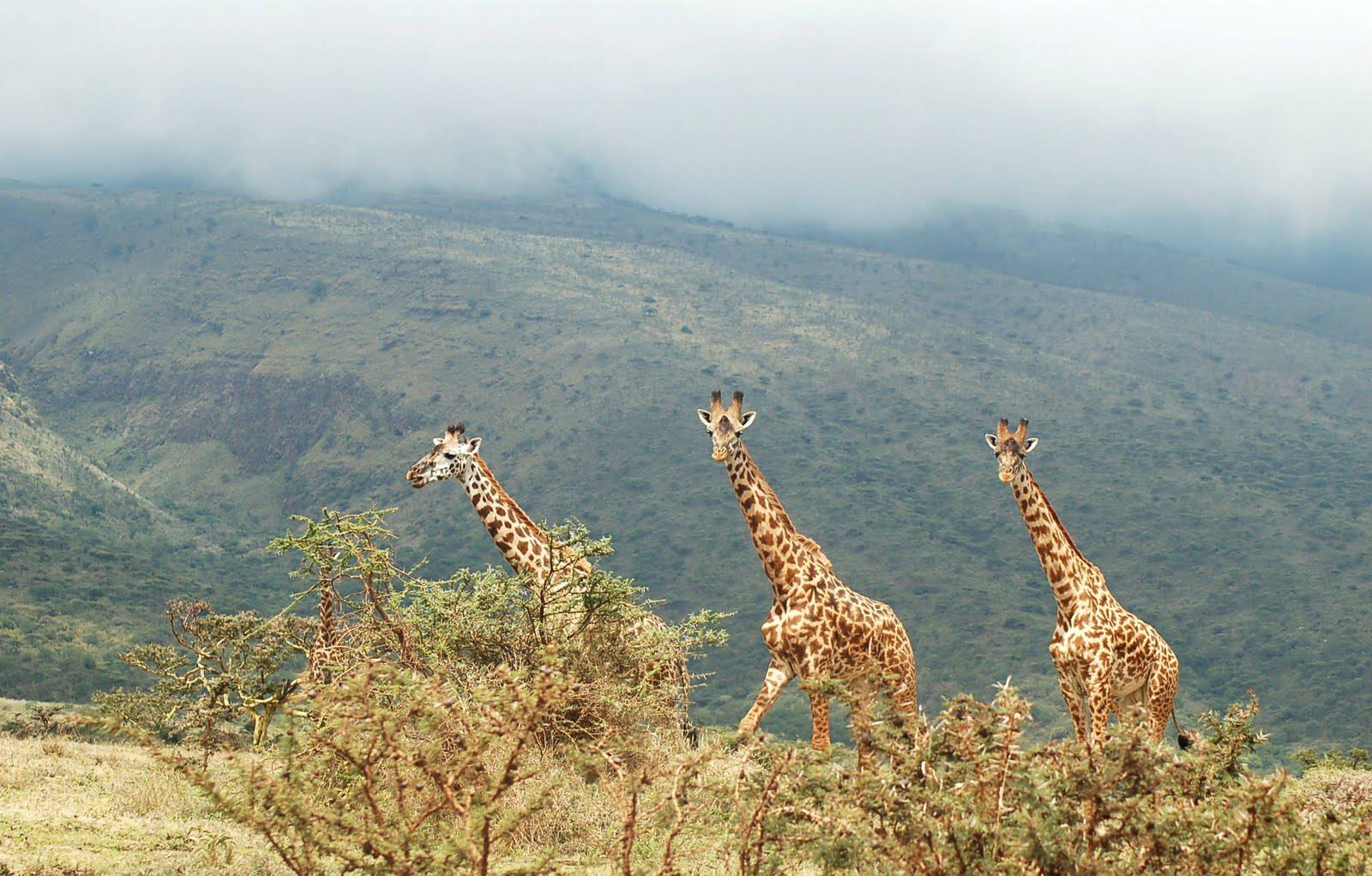
Ngorongoro Crater is part of a larger interconnected ecosystem that spans the crater highlands and vast expanses of plains, bushland, and woodlands. This remarkable region, known as the Ngorongoro Conservation Area, covers approximately 8,300 square kilometers and is home to diverse landscapes and significant historical sites, including the famous Olduvai Gorge where ancient fossils have been unearthed. The crater itself, measuring around 20 kilometers in diameter, is one of the largest calderas in the world and is renowned as one of Africa’s premier wildlife-viewing destinations.

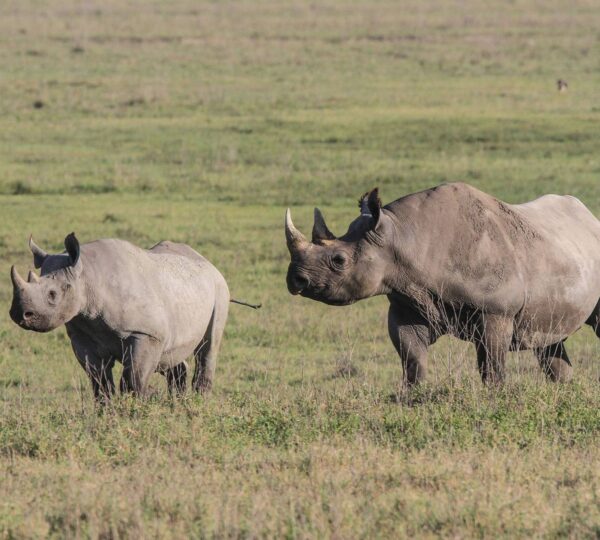
Inside its steep walls lies an extraordinary variety of habitats, from grasslands and swamps to dense forests and shimmering salt pans, as well as a freshwater lake. These varied ecosystems support an abundance of wildlife, including the iconic “Big Five”—rhinos, lions, elephants, and buffalos, as well as large populations of wildebeest, zebras, Thomson’s gazelles, and reedbucks. Visitors to Ngorongoro are treated to a unique and concentrated experience of Tanzania’s rich wildlife, all within the breathtaking natural amphitheater of the crater.

Tour Plan

Pick you from your hotel or home in Moshi/Arusha at 6:00 am after breakfast and drive to Ngorongoro Conservation Authority Area. Descend 600m into this magnificent crater for a full-day game drive. The Ngorongoro Crater is one of the most densely crowded African wildlife areas in the world and is home to an estimated 30,000 animals including some of Tanzania’s last remaining black rhino. Supported by a year round water supply and fodder, the Ngorongoro Conservation supports a vast variety of animals, which include herds of wildebeest, zebra, buffalo, eland, warthog, hippo, and giant African elephants. Another big draw card to this picturesque national park is its huge population of predators, which include lions, hyenas, jackals, cheetahs and the ever-elusive leopard. You will enjoy a picnic lunch on the crater floor at Ngoitokitoki swamp. Evening drive back to Arusha/Moshi and drop off at the hotel or home where the tour ends.

Included/Exclude

  • Day trip according to the itinerary
  • Transportation
  • Professional, English-speaking guide
  • Lunch
  • Mineral water
  • All mentioned activities
  • All Required Fees
  • International or Local Flights
  • Optional Activities
  • Alcoholic and soft drinks
  • Visa fees
  • Tips
  • Personal spending money for souvenirs etc.
  • Travel Insurance

Tour Information

Max Guests

10

Min Age

12+

Tour Location

Languages Support

Booking Form

Book This Tour

FAQs
Mostly Frequently Asked Questions

The best time to go on a safari in Tanzania largely depends on what you want to see. Generally, the dry season from late June to October is ideal for wildlife viewing. During this period, animals congregate around water sources, making them easier to spot. Additionally, the Great Migration in the Serengeti, where millions of wildebeest and zebras move in search of greener pastures, peaks around June and July for river crossings and from late January to February for the calving season.

Tanzania is home to some of the most renowned national parks and reserves in Africa. The Serengeti National Park is famous for the Great Migration and abundant wildlife. Ngorongoro Crater is a UNESCO World Heritage Site and offers an incredible concentration of wildlife in a stunning volcanic caldera. Tarangire National Park is known for its large elephant herds and baobab trees, while Lake Manyara National Park is famous for its tree-climbing lions and diverse birdlife. The Selous Game Reserve and Ruaha National Park in the south offer more remote and less crowded safari experiences.

Tanzania offers a variety of safari experiences to suit different interests and budgets. Classic game drives are the most common and allow you to see wildlife from the comfort of a 4×4 vehicle. Walking safaris provide a more intimate experience, allowing you to explore the bush on foot with a knowledgeable guide. Hot air balloon safaris in the Serengeti offer a unique perspective of the landscape and wildlife from above. Night safaris, available in certain parks, give you the chance to spot nocturnal animals. Additionally, cultural safaris can be arranged to visit local tribes and learn about their way of life.

Packing for a safari requires careful consideration to ensure comfort and practicality. Essential items include light, breathable clothing in neutral colors to blend in with the environment and avoid attracting insects. A wide-brimmed hat, sunglasses, and sunscreen are crucial for protection from the sun. Sturdy, comfortable walking shoes or boots are recommended for walking safaris. Binoculars and a good camera are essential for wildlife viewing and photography. Additionally, bring insect repellent, a first aid kit, any necessary medications, and a reusable water bottle. Layered clothing is advisable as temperatures can vary greatly from morning to evening.

Tanzania is generally considered safe for tourists, and the safari industry is well-regulated with experienced guides and operators. However, as with any travel, it’s important to exercise common sense and take precautions. Always follow the instructions of your guide, particularly when it comes to wildlife viewing and safety. Be aware of your surroundings and secure your belongings. In terms of health, it’s important to take preventive measures against malaria and stay hydrated. It’s also advisable to check travel advisories and register with your embassy before traveling.

Yes, many lodges and tour operators in Tanzania cater to families and offer child-friendly safari experiences. However, it’s important to choose the right itinerary and accommodations to ensure a safe and enjoyable trip for everyone. Some lodges have age restrictions for certain activities, such as walking safaris, but they often provide alternative activities for younger children. Family tents, educational programs, and specialized guides can enhance the experience for kids. It’s also essential to consider health precautions, such as malaria prevention, and ensure that your children are comfortable with the travel arrangements.

Most international travelers fly into Kilimanjaro International Airport (JRO) near Arusha, or Julius Nyerere International Airport (DAR) in Dar es Salaam. Arusha is the gateway to the northern safari circuit, including the Serengeti and Ngorongoro Crater, while Dar es Salaam is the entry point for southern parks like Selous and Ruaha. From these airports, you can take domestic flights or arrange ground transportation to your safari destination. Some safari packages include internal flights to save travel time.

LET US HELP YOU

We specialize in tailor making your tour to ensure you get the perfect safari itinerary to your tastes and budget. With a personal touch from the first email right up until we drop you off at the airport, we pride ourselves on offering unparalleled customer service.

Related Tours