5 Days Hiking Kilimanjaro’s Marangu Route

Kilimanjaro Tanzania

From

$ 1,830

Duration

5 days

Tour Type

Tour Highlight

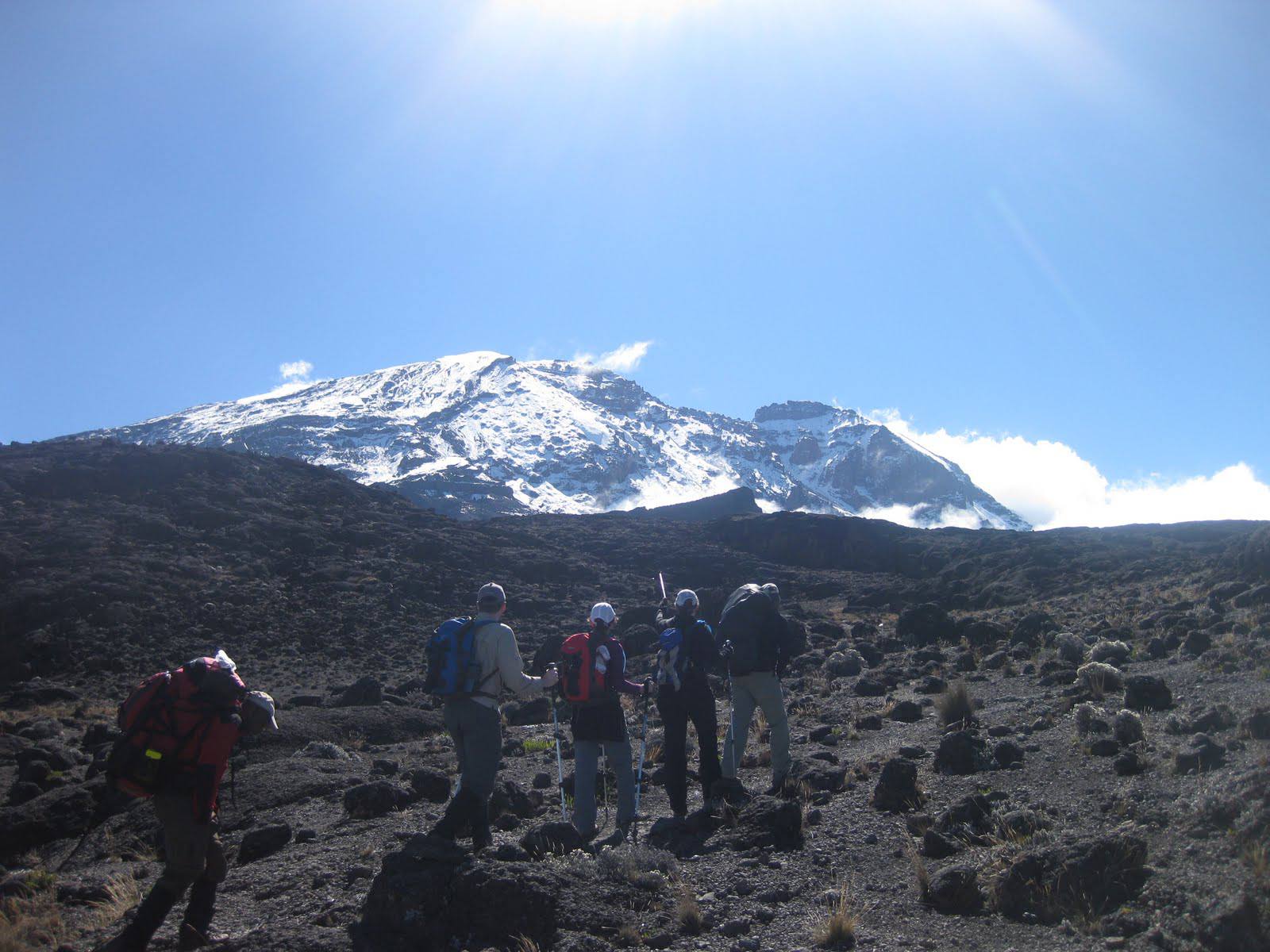
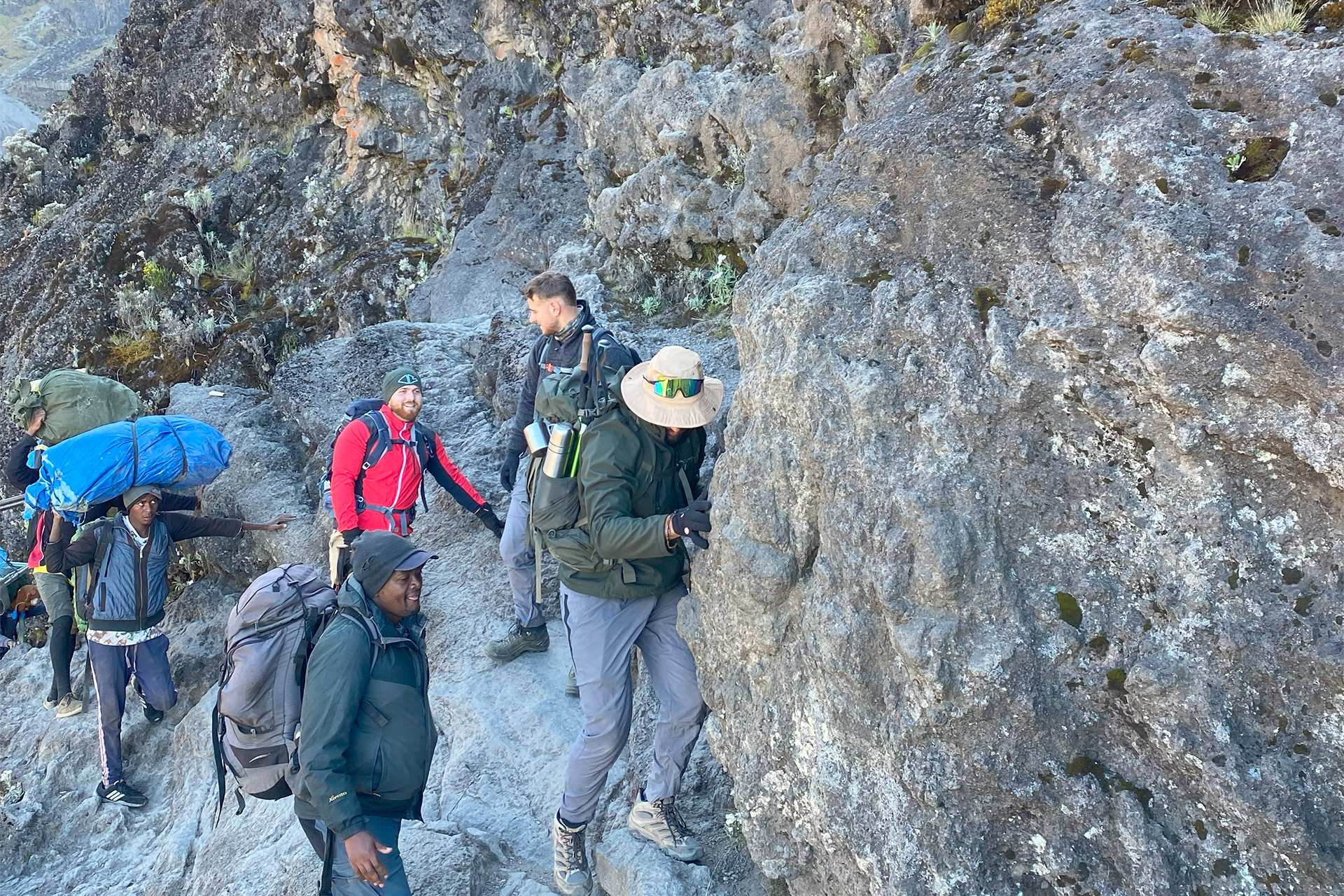
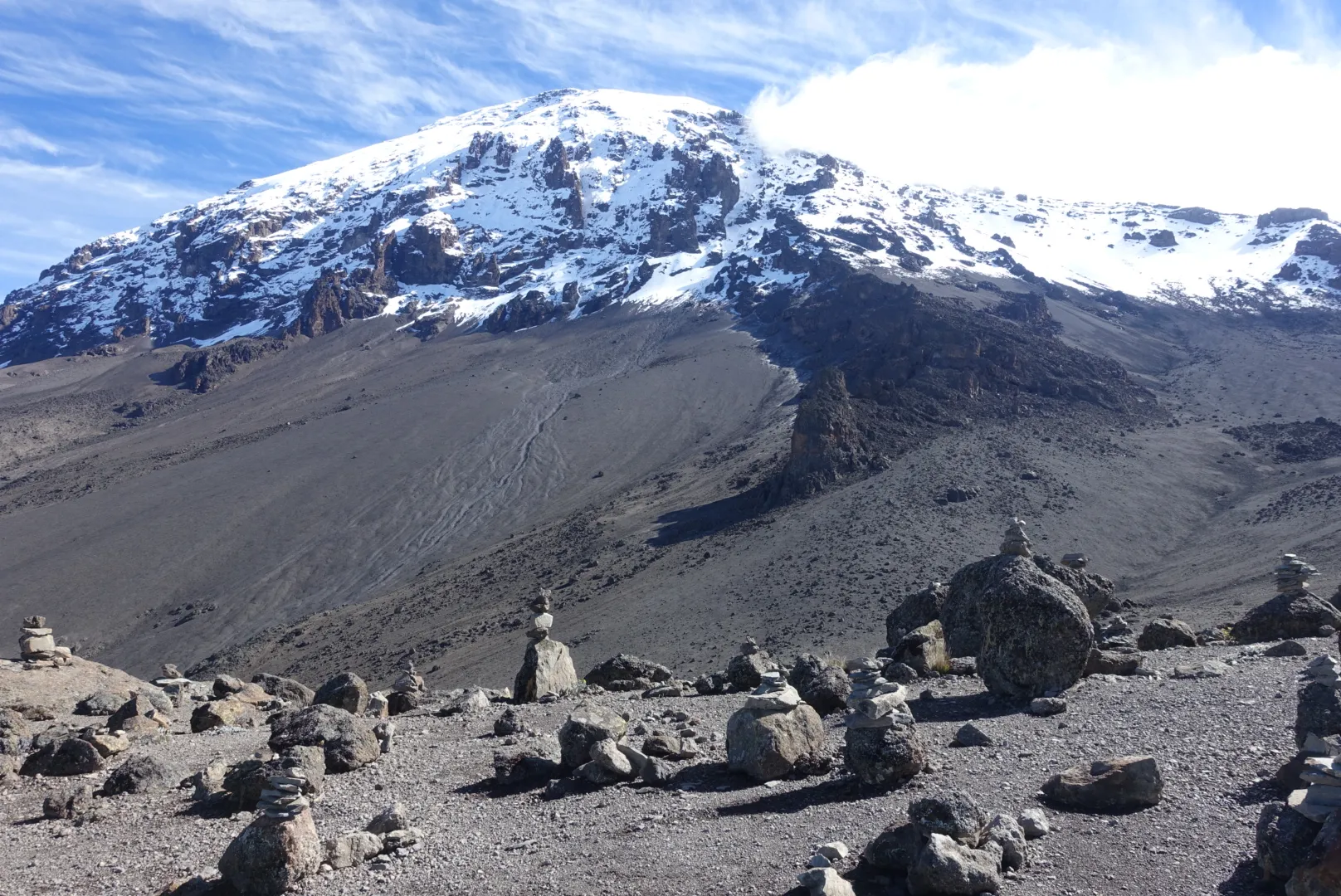
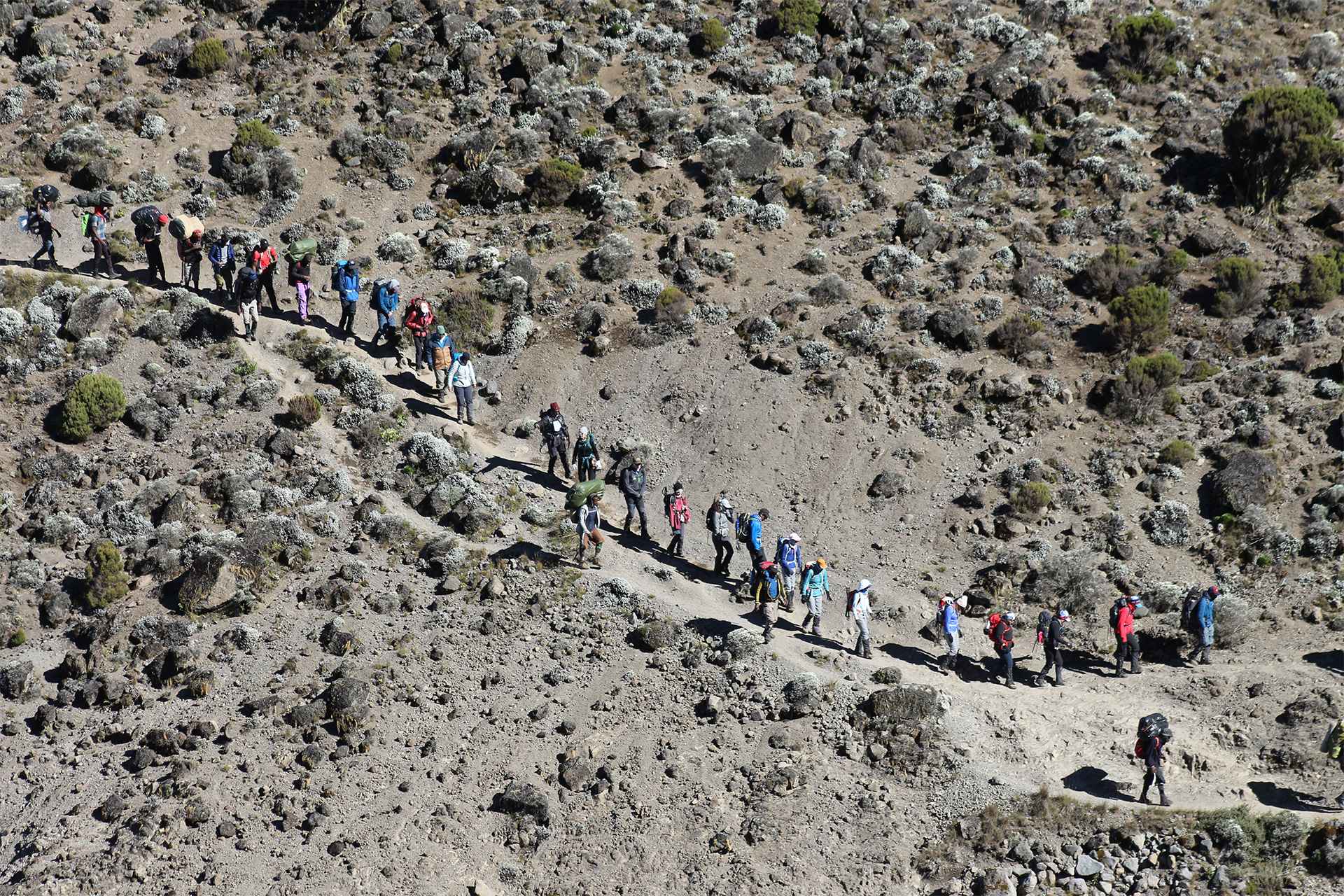
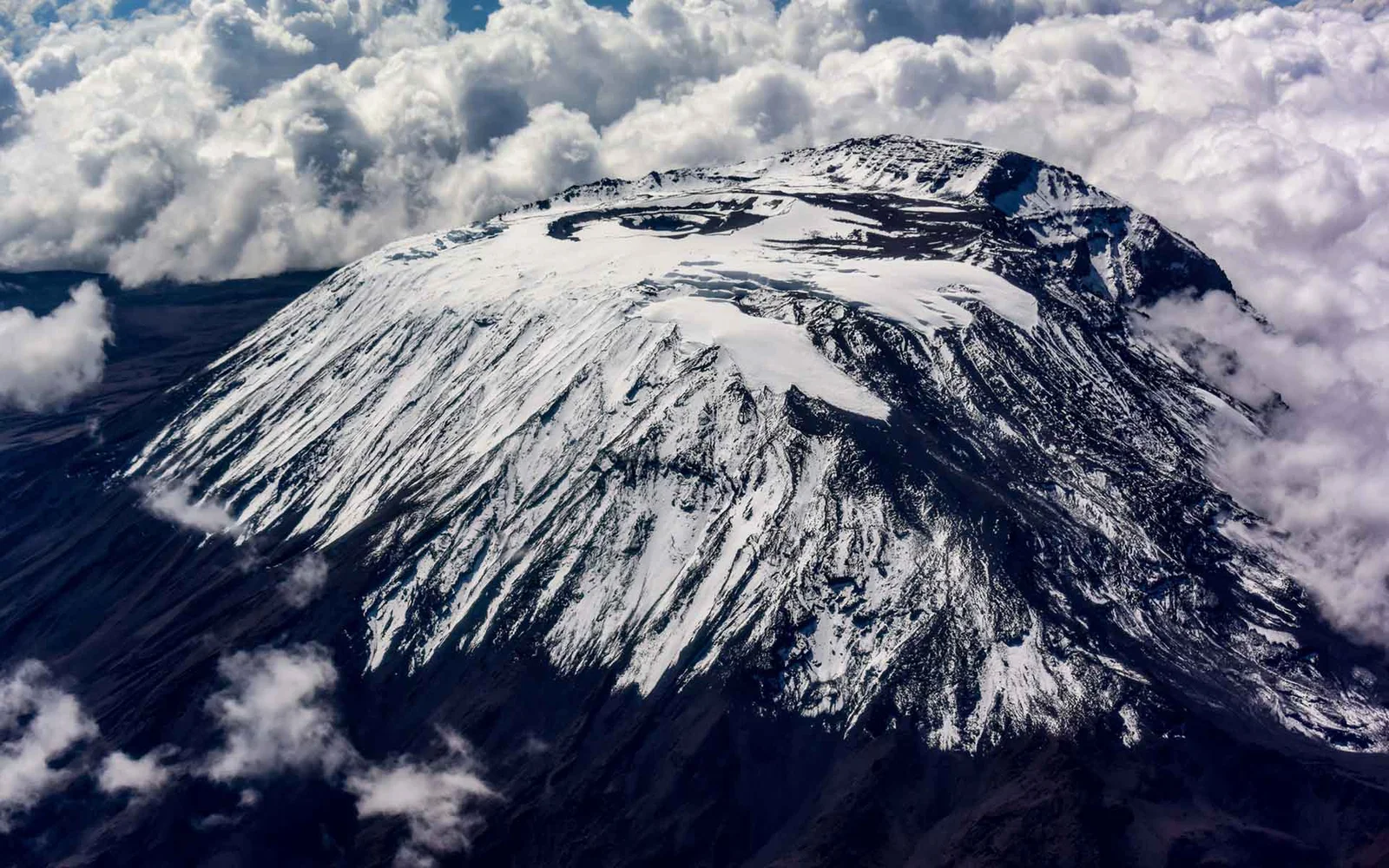
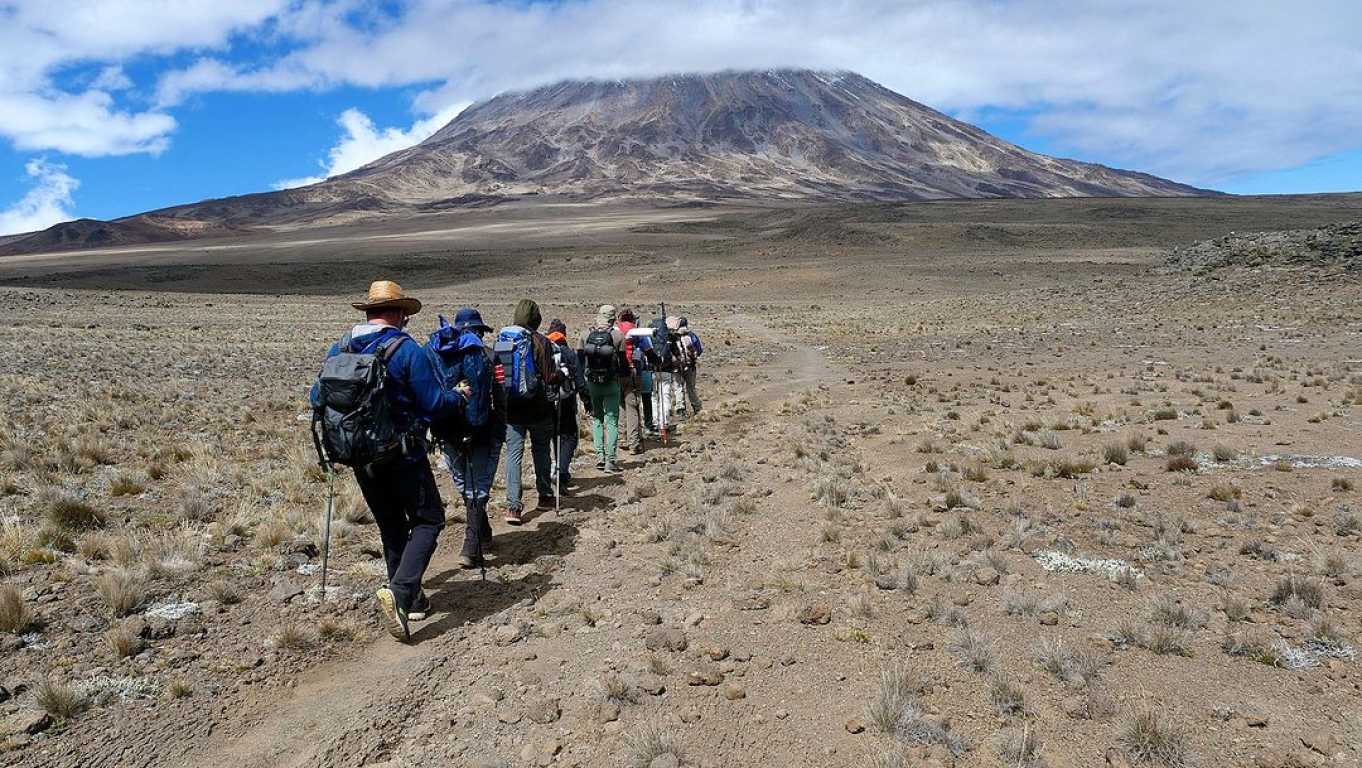
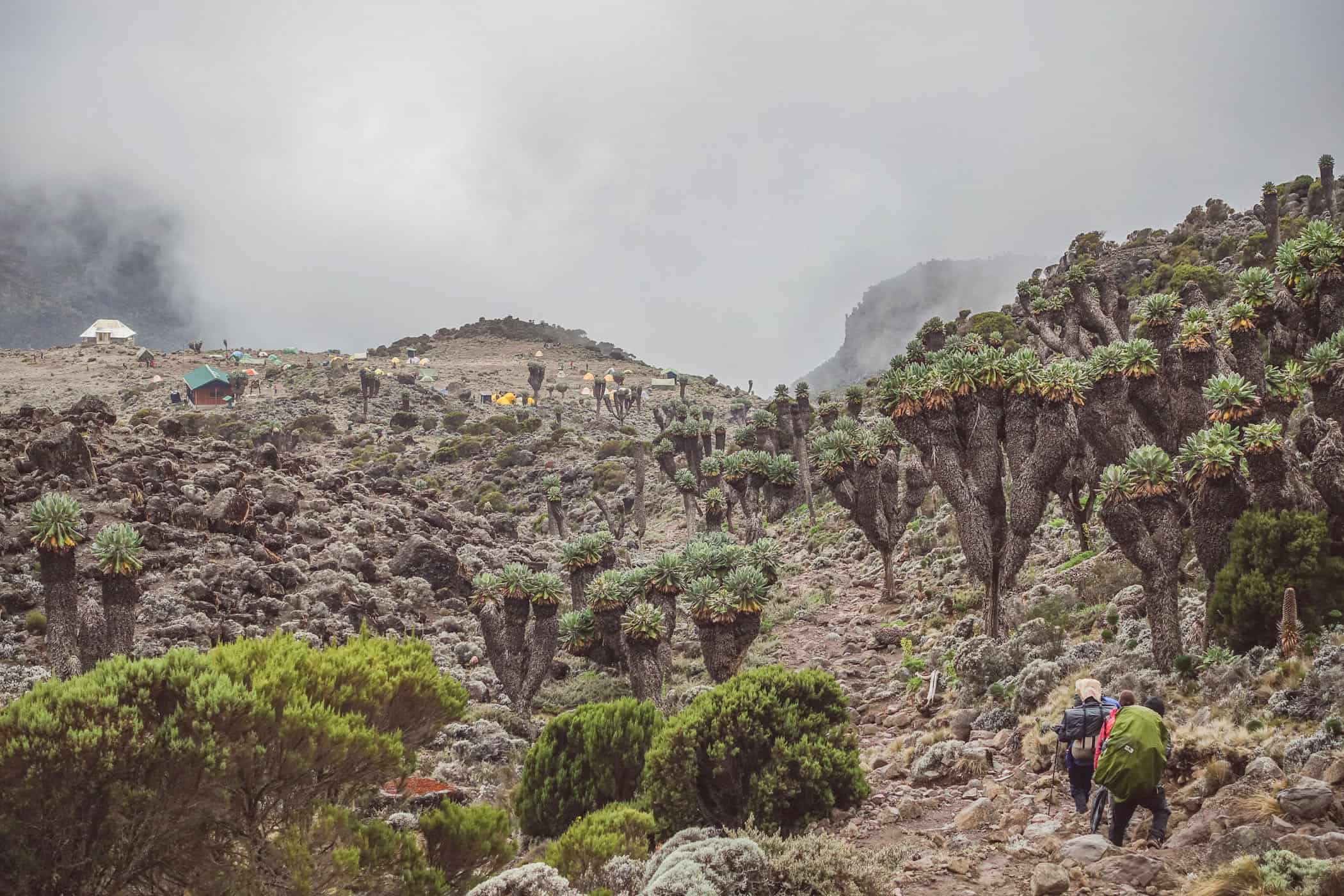
The Marangu Route, often known as the “Coca-Cola route,” is the oldest and one of the most popular paths up Mount Kilimanjaro. By choosing this route, you’ll follow in the footsteps of Hans Meyer, who made the first successful summit in 1889. This trail runs through Kilimanjaro National Park, crossing all the mountain’s climatic zones, from tropical forest to alpine desert. Uniquely, it is the only route offering dormitory-style huts for overnight stays.

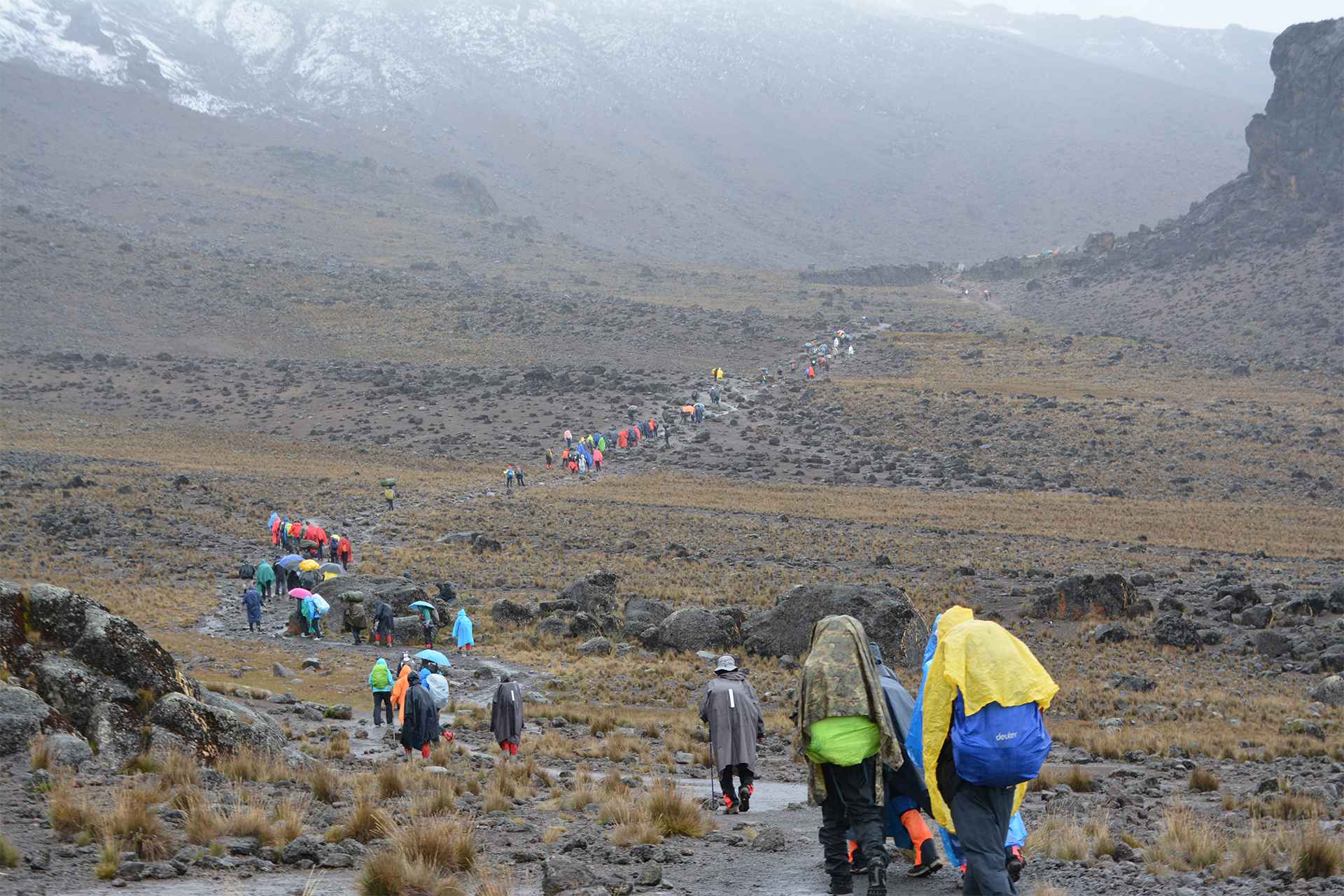
Thinking about the Marangu Route? It’s a great option during the rainy seasons mid-March to late May, and late October to late December since the huts provide dry and comfortable shelter. The Marangu Route is available in 5- and 6-day variations, with the 6-day option being significantly less strenuous.

Tour Plan

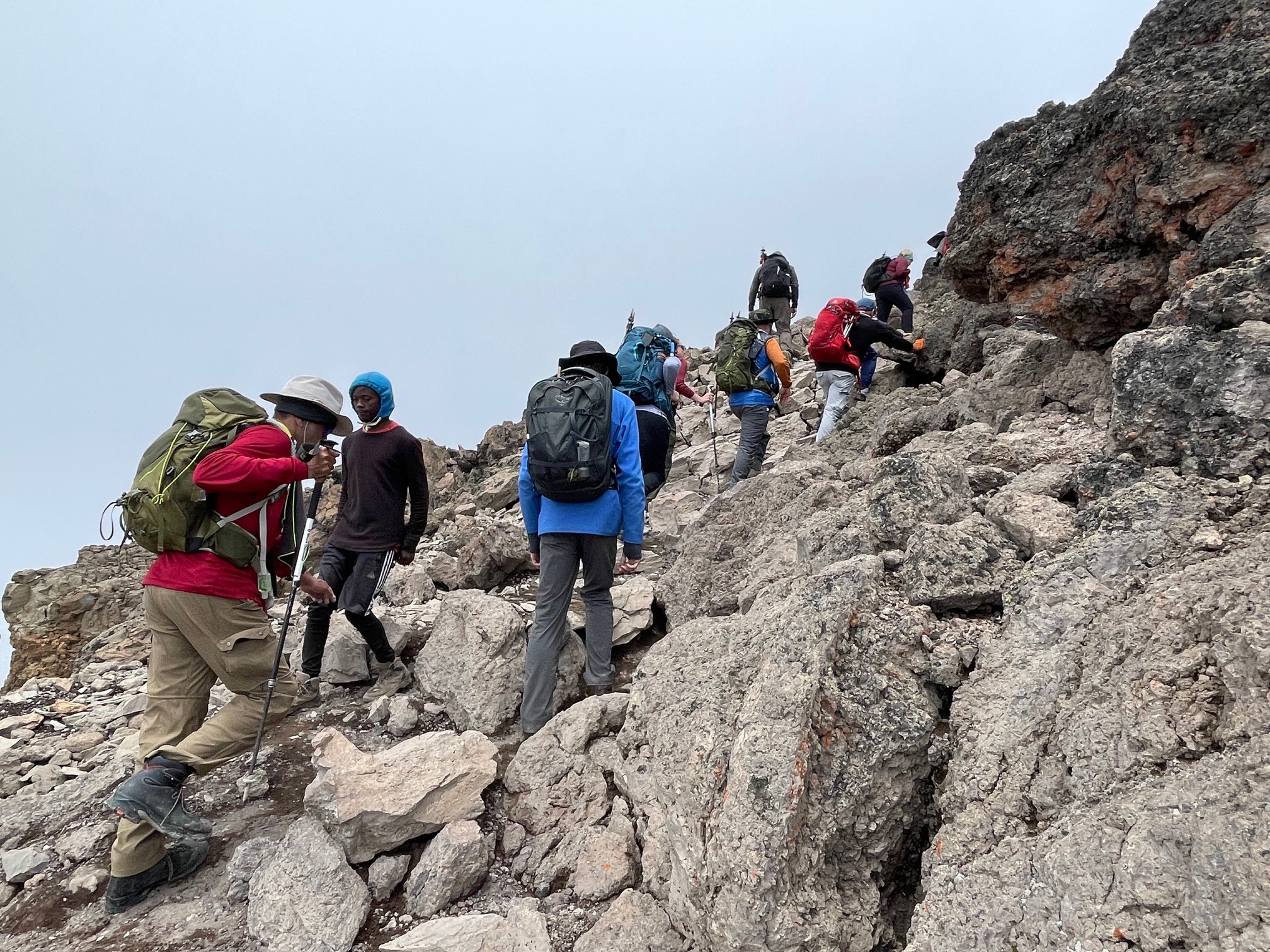
After breakfast, you will be collected from your lodge in Moshi and taken to the Marangu gate. Once the necessary paperwork has been completed, your trek can begin and you will soon be hiking through the dense rainforest. Alongside the impressive vegetation, you will have the chance to catch a glimpse of some primates as you head to the Mandara Hut. After a well-earned rest, your guide can take you to the Maundi Crater where you can enjoy the wonderful view of the Kenyan interior.

  • Elevation: 1860m to 2700m
  • Hiking Time: 4-5 hours
  • Distance: 8 km
  • Difficulty: Easy to Moderate
  • Habitat: Rainforest

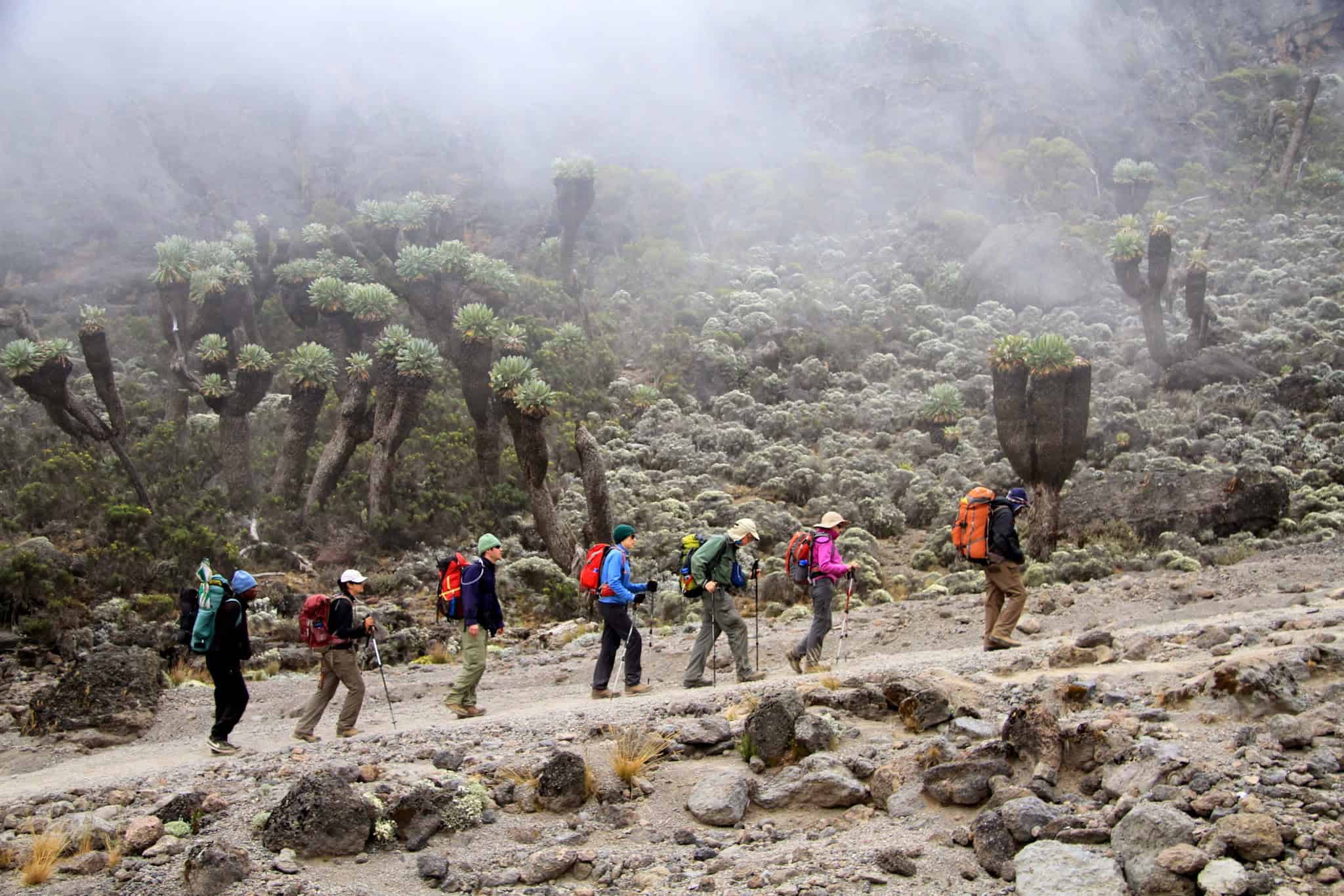
The day begins with an early breakfast. Shortly after you have left Mandara Hut, you will reach the timberline and then enter the heath and moor zone. Approximately 4 – 6 hours later, the Horombo Hut will come into sight, standing at an altitude of 3700m. From the hut, you will have fantastic views overlooking Mawenzi, Kibo and the wide plain of the Masai steppe.

  • Elevation: 2700m to 3700m
  • Hiking Time: 5-6 hours
  • Distance: 12 km
  • Difficulty: Moderate
  • Habitat: Heath and Moorland

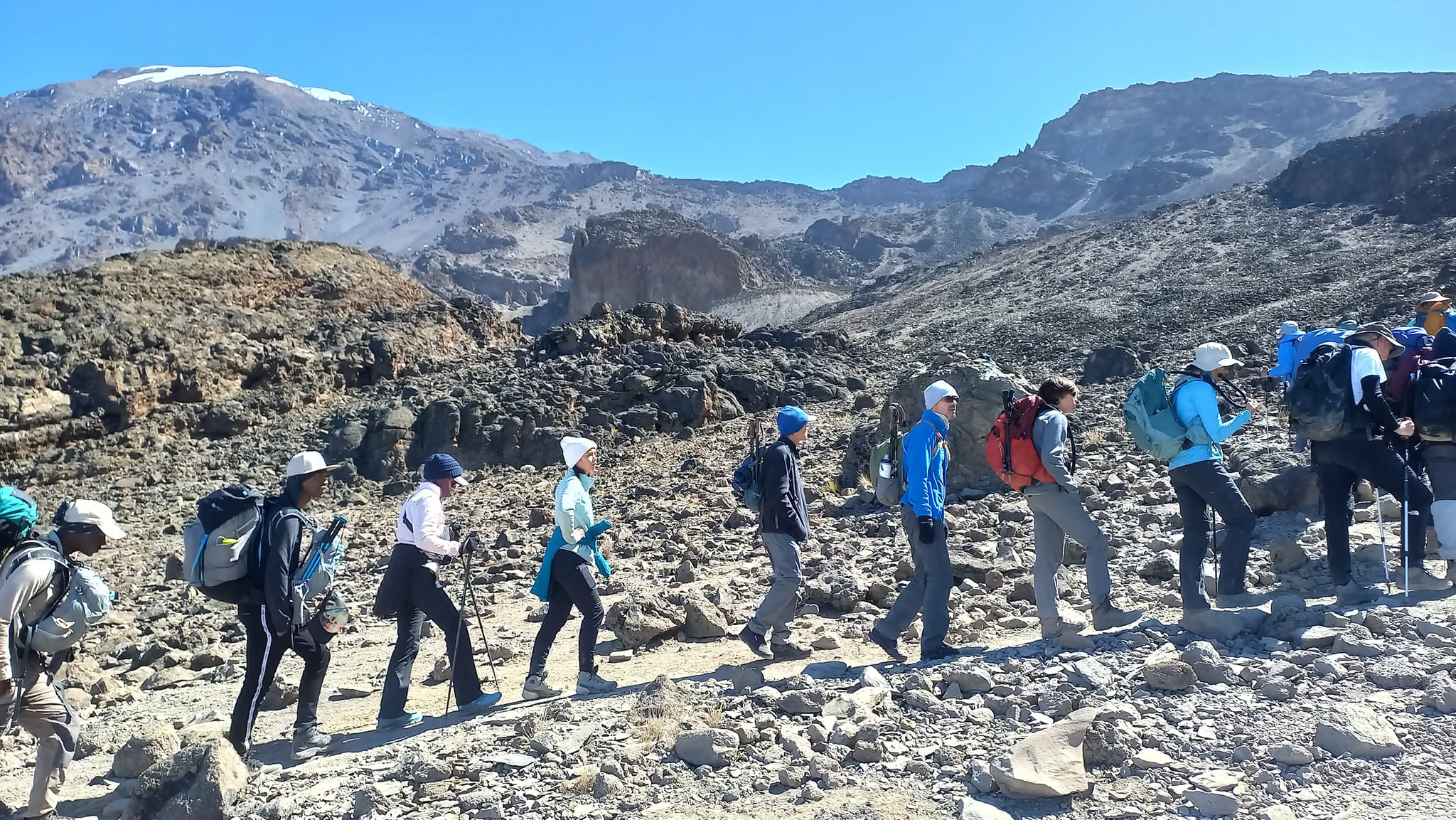
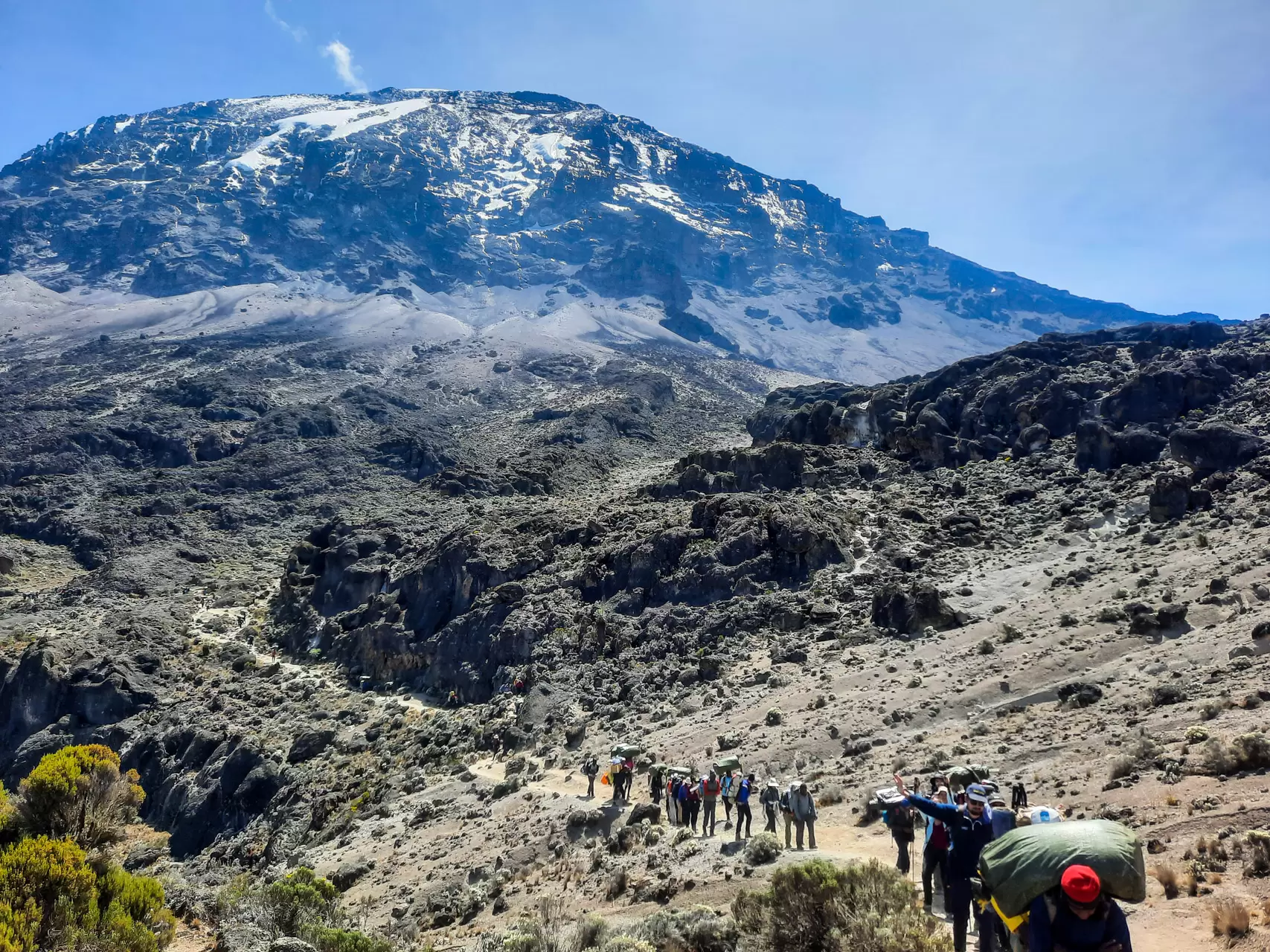
Today’s stage is long and tough. The well-built trail passes the “Last Water point” which is followed by the so-called “saddle”. This nearly vegetation less plateau joins the main summit Kibo with Mawenzi. Today’s destination is the Kibo Hut that is usually reached in about 5 – 6 hours. Here, you will enjoy an early evening meal followed by an early night, as the night will be short.

  • Elevation: 3700m to 4700m
  • Hiking Time: 5-6 hours
  • Distance: 10 km
  • Difficulty: Moderate to Difficult
  • Habitat: Alpine Desert

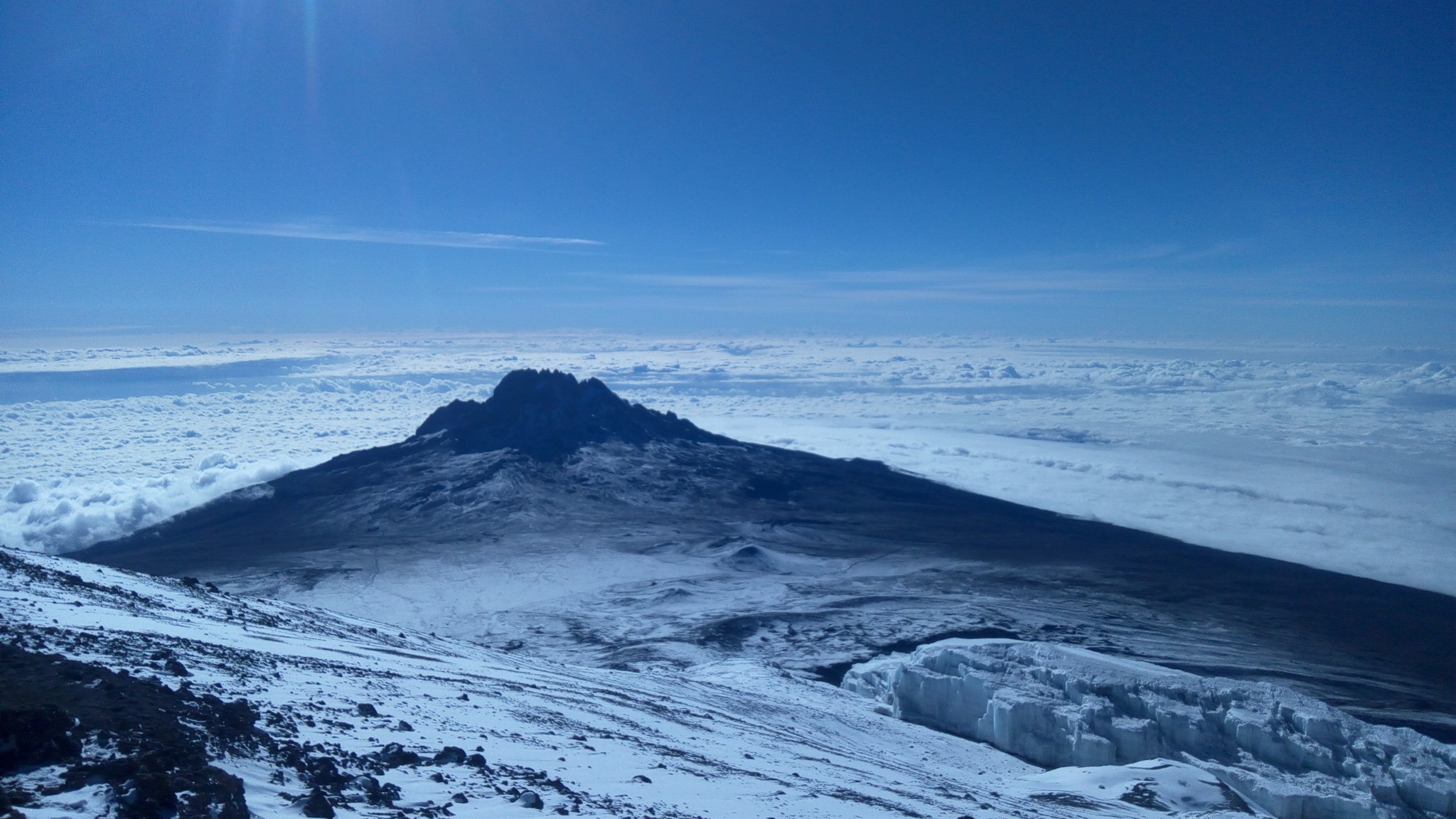
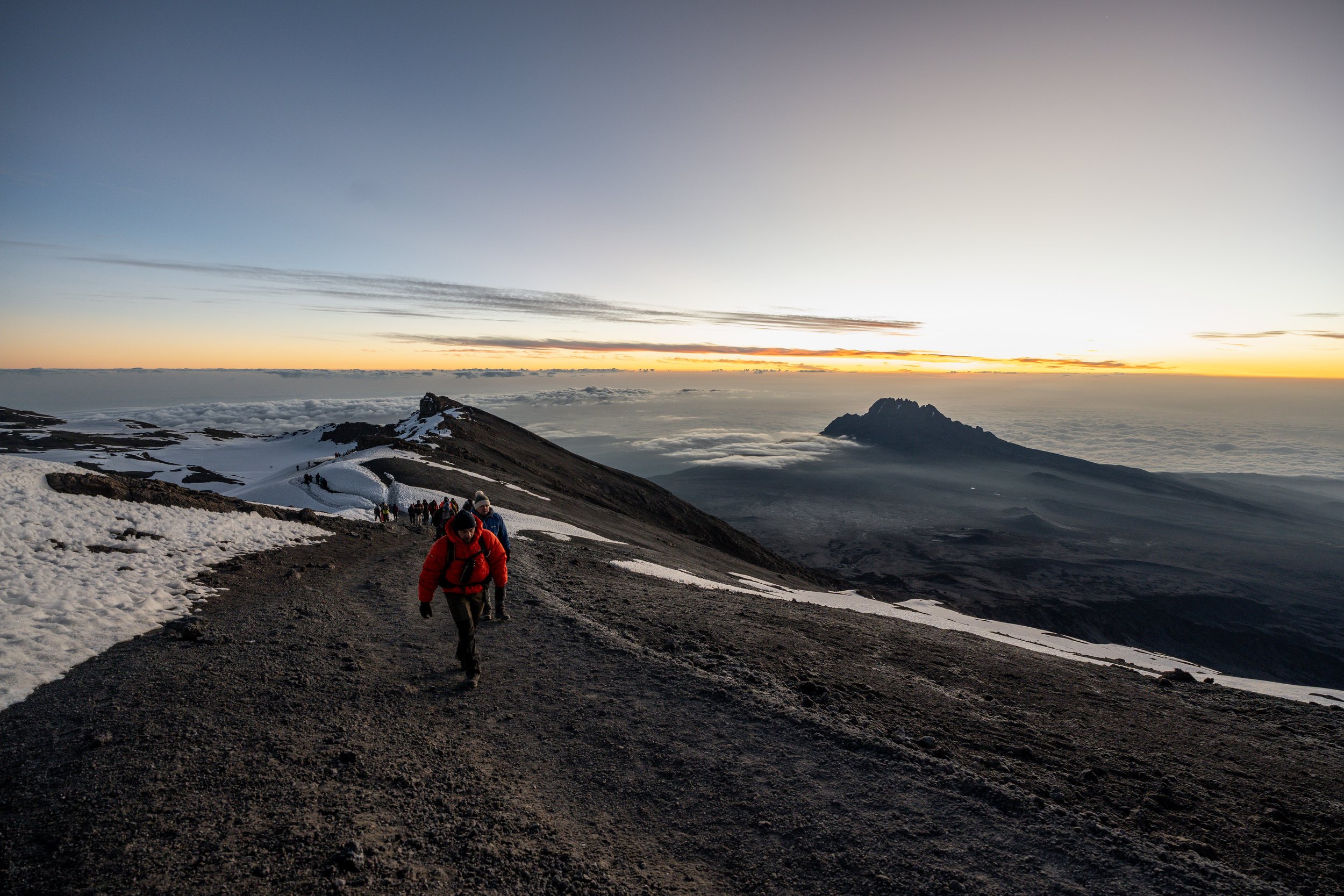
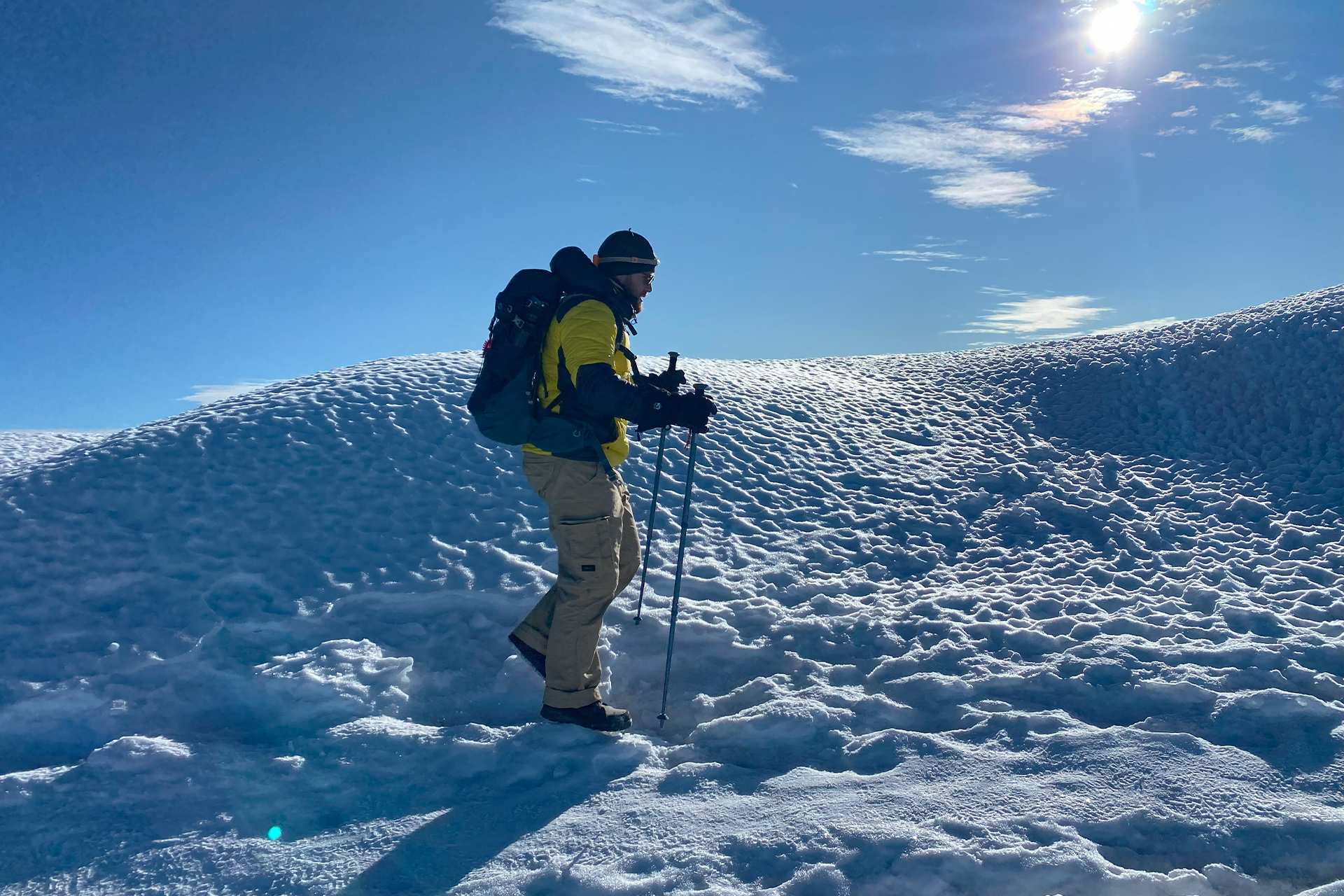
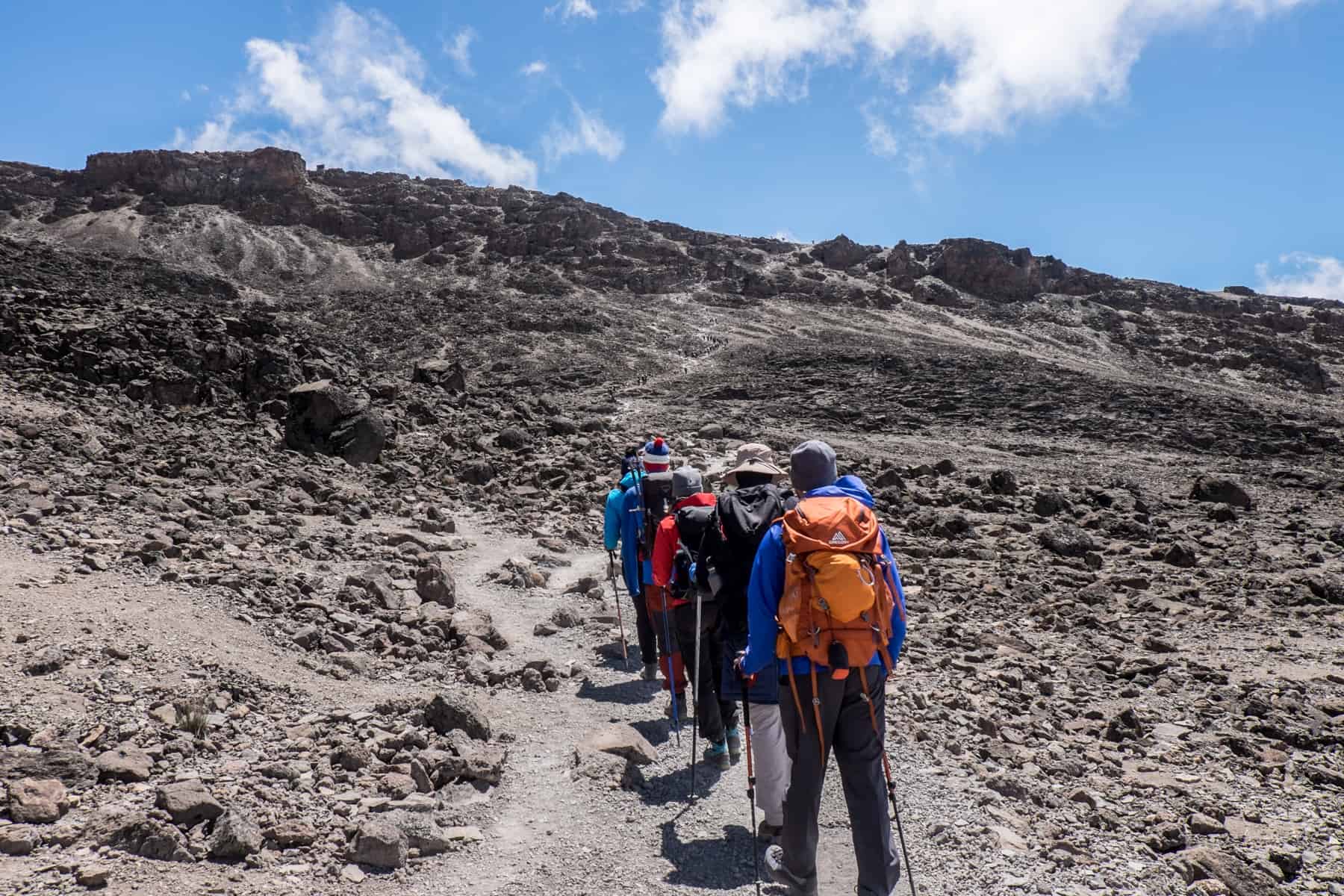
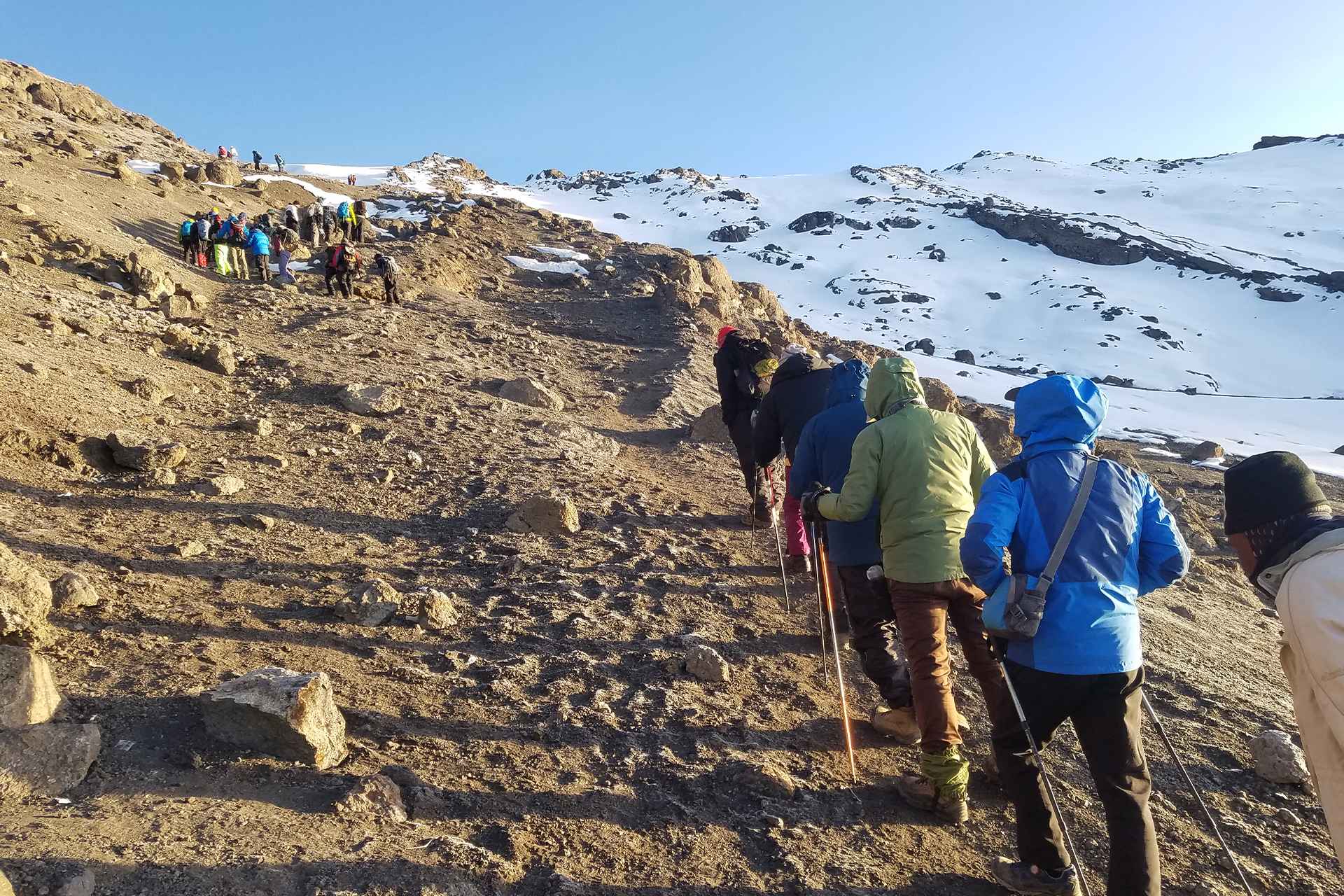
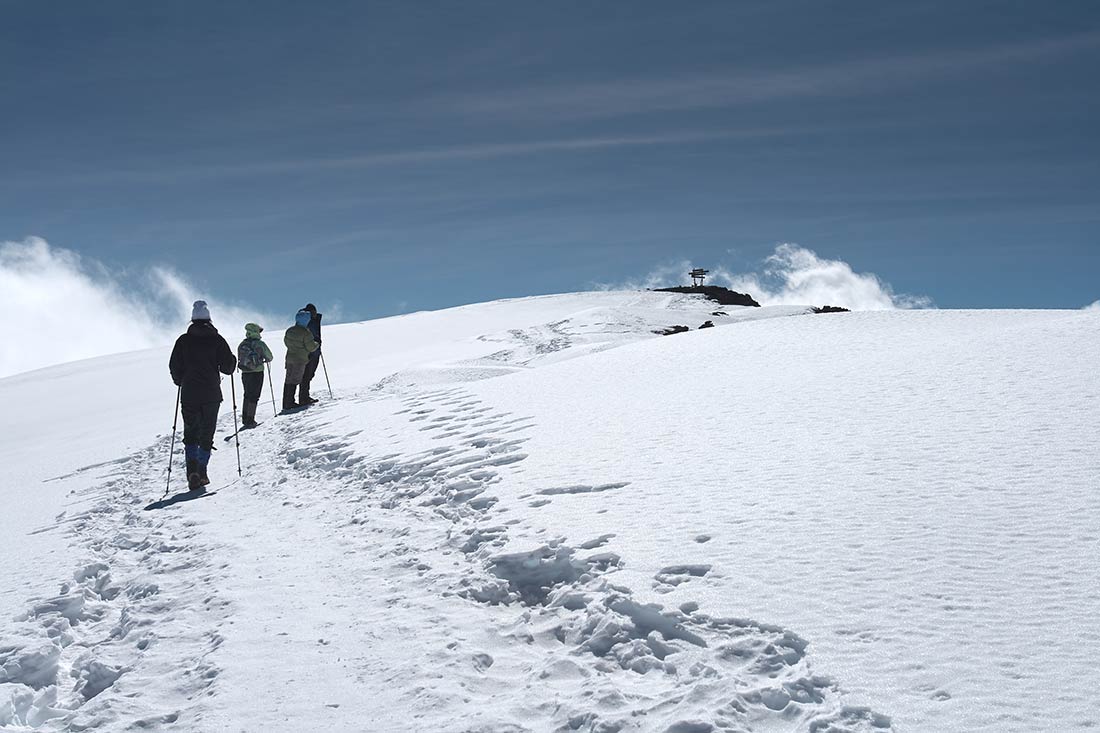
Today is “The Big Day” – the summit stage. You will begin your final ascent around midnight which will be long and strenuous. Passing the Hans Meyer Cave at 5220m, the climb slowly but surely goes upwards. At sunrise, you will reach Gillman’s Point (5681m) – the crater rim of Kilimanjaro – where the sun will slowly start to warm up the land. You will have soon forgotten the cold of the night and after a further hike of 1 – 2 hours, you will reach Uhuru Peak at 5895m. On your return to Kibo Hut, a warm meal awaits you followed by a 1 – 2-hour break before proceeding back down to Horombo Hut.

  • Elevation: 4700m to 5895m (ascent) and then down to 3700m (descent)
  • Hiking Time: 10-15 hours
  • Distance: 22 km (6 km ascent, 16 km descent)
  • Difficulty: Very Difficult
  • Habitat: Arctic (Summit Zone)

The last stage passes through the heath and moor zone to the Mandara Hut (2700m) where a warm lunch is waiting for you. Soon, you will once again pass the tropical rainforest and after a total time of 6 hours trekking, you will be back at the Kilimanjaro National Park Gate (1860m). After saying goodbye to your mountain guides, a short transfer follows to take you back to your hotel in Moshi. Once there, you can take a warm and relaxing shower and celebrate your success in reaching the summit of the Kilimanjaro.

  • Elevation: 3700m to 1860m
  • Hiking Time: 5-6 hours
  • Distance: 20 km
  • Difficulty: Moderate
  • Habitat: Heath and Moorland, then Rainforest

The day is left free to wind down after the trek before your flight home. Depending on flight times you could go and explore Moshi or Arusha town and grab some gift shops before heading to the airport.

Safari, Cycling Adventures and other add-on are available if you wish to continue exploring Tanzania

  • Meals: Breakfast Included

Included/Exclude

  • Kilimanjaro trekking according to the itinerary
  • Professional, English-speaking guide
  • Mountain crew (cook, summit porter& porters)
  • Overnight stays in tents
  • Camping equipment (tents, sleeping mats, tables, chairs )
  • Meals according to the itinerary
  • Drinking water, tea & coffee
  • Oxygen tank and oximeters
  • All national park fees
  • Transfer from the hotel to the National Park gate and back
  • Alcohol and soft drinks
  • Sleeping bag
  • Flights
  • Visa fees
  • Tips
  • Personal spending money for souvenirs
  • Travel insurance
  • Airport Transfer
  • Pre and Post climb Hotel Accommodation

Tour Information

Max Guests

10

Min Age

12+

Tour Location

Languages Support

Booking Form

Book This Tour

Tour Map

Itinerary Scetched Map

This detailed map has been painstakingly designed to take you on an exciting journey, highlighting remarkable sites and unforgettable experiences at every turn. Each point emphasizes a distinct part of the voyage, ensuring that your adventure is full of wonder, discovery, and excitement.

FAQs
Mostly Frequently Asked Questions

There are seven main routes to climb Mount Kilimanjaro: Marangu, Machame, Lemosho, Shira, Rongai, Northern Circuit, and Umbwe. Each route varies in difficulty, scenery, and duration. The Marangu Route is known as the “Coca-Cola” route and is the only one offering hut accommodations, while the Machame Route, also called the “Whiskey” route, is popular for its diverse and scenic paths. The Lemosho and Shira routes offer beautiful vistas and lower traffic, making them ideal for those seeking a more solitary experience. Rongai is the only route starting from the north, and the Northern Circuit is the longest route, offering the most acclimatization time. Umbwe is the steepest and most challenging route, recommended for experienced climbers.

The duration of the climb depends on the route chosen. Typically, it takes between 5 to 10 days to reach the summit and descend. For instance, the Marangu Route can be completed in 5-6 days, while the Lemosho Route generally takes 7-8 days. The Northern Circuit, being the longest, can take 9-10 days. Additional acclimatization days can improve summit success rates and overall experience.

The best times to climb Mount Kilimanjaro are during the dry seasons: from January to early March and from June to October. These periods offer the best weather conditions, with less rain and clearer skies. Climbing during the wet seasons, from April to May and November to December, can be more challenging due to muddy trails and poor visibility.

No technical climbing skills are required to climb Kilimanjaro. It is a non-technical trek, meaning no ropes or special equipment are needed. However, it is a physically demanding hike due to the high altitude and varying terrain. Good physical fitness and proper acclimatization are essential for a successful climb.

Accommodations on Kilimanjaro vary by route. The Marangu Route offers hut accommodations with basic facilities such as beds, mattresses, and communal dining areas. Other routes, such as Machame, Lemosho, and Rongai, require camping in tents. Porters carry the camping equipment and set up the tents at designated campsites.

Physical preparation is crucial for a successful Kilimanjaro climb. It is recommended to start training at least 2-3 months before the climb. Focus on aerobic exercises such as hiking, running, and cycling to build endurance. Strength training for legs, core, and upper body will also be beneficial. Practice hiking with a backpack to simulate the conditions on the mountain.

Packing for Kilimanjaro requires careful consideration of the weather and terrain. Essential items include sturdy hiking boots, warm clothing (layers), a good quality sleeping bag, a backpack, trekking poles, and a headlamp. Other important items are sun protection, a first aid kit, hydration systems, and high-energy snacks. A detailed packing list is usually provided by tour operators.

Yes, it is mandatory to climb Kilimanjaro with a licensed guide and porters. The Tanzanian government requires all climbers to be accompanied by a registered tour operator. Guides are experienced in navigation, first aid, and handling altitude-related issues, ensuring the safety and success of your climb.
The food provided on Kilimanjaro is typically high in carbohydrates and calories to meet the energy demands of the climb. Meals often include porridge, bread, fruits, vegetables, pasta, rice, and meat. Vegetarian and special dietary requirements can usually be accommodated with prior notice. Hydration is also crucial, and climbers are encouraged to drink plenty of water and hot beverages like tea.

LET US HELP YOU

We specialize in tailor making your tour to ensure you get the perfect safari itinerary to your tastes and budget. With a personal touch from the first email right up until we drop you off at the airport, we pride ourselves on offering unparalleled customer service.

Related Tours